

Moving to a new home can be an exciting adventure, but it often comes with a hefty price tag. From hiring movers to buying packing supplies, the costs can quickly add up. However, with some strategic planning and savvy decision-making, you can significantly reduce the financial burden of moving. In this article, we’ll explore practical and cost-effective moving tips that will help you save money without sacrificing the quality of your move.
Table of Contents
ToggleCost-Effective Moving Tips:
Plan Ahead to Save
One of the most effective ways to save money on your move is to plan well in advance. Rushing into last-minute decisions can lead to higher costs and unnecessary stress. Start by creating a detailed moving timeline and budget. Identify key milestones such as booking movers, gathering packing materials, and scheduling utilities transfers. By spreading tasks over several weeks or months, you’ll have more time to compare prices and take advantage of discounts.
Compare Moving Quotes
When it comes to hiring movers, don’t settle for the first quote you receive. Take the time to research and compare multiple moving companies to find the best deal. Request estimates from at least three different movers and carefully review what each quote includes. Look for hidden fees or extra charges that could inflate your final bill. Additionally, consider booking your move during off-peak times or weekdays when rates may be lower.
Declutter Before You Pack
Packing and transporting unnecessary items can waste both time and money. Before you start packing, take the opportunity to declutter your belongings. Sort through each room and separate items into categories: keep, donate, sell, or discard. Not only will this lighten your load on moving day, but it can also reduce packing materials and transportation costs. Consider hosting a garage sale or listing items online to earn extra cash to offset moving expenses.
Use Free or Low-Cost Packing Supplies
Purchasing brand new moving boxes and packing materials can quickly eat into your budget. Instead, explore cost-effective alternatives such as obtaining free boxes from local grocery stores, liquor stores, or recycling centers. You can also use suitcases, bins, and baskets you already own to pack clothes, linens, and other items. Additionally, consider using household items like towels, blankets, and newspaper as protective padding for fragile items to minimize the need for bubble wrap or packing peanuts.
Pack Efficiently and Strategically
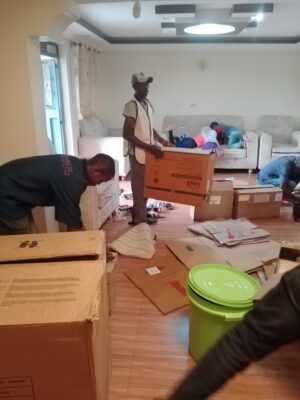
Efficient packing not only saves time but also reduces the risk of damage to your belongings. Start by packing one room at a time, beginning with items you use less frequently. Label each box clearly with its contents and the room it belongs to, which will streamline the unpacking process. Fill boxes to capacity to prevent items from shifting during transport, but be mindful of weight to avoid overpacking and potential injury. Use space-saving techniques such as nesting smaller items inside larger ones to maximize box space.
Consider DIY Moving Options
Depending on the distance of your move and the amount of belongings you have, DIY moving options may be more cost-effective than hiring professional movers. Renting a moving truck or trailer and enlisting the help of family and friends can significantly reduce labor costs. However, be realistic about your ability to safely and efficiently transport larger items and consider hiring movers for heavy or fragile furniture.
Save on Utility Transfers and Service Connections
Utility bills can quickly accumulate during a move, especially if you forget to transfer or disconnect services. Contact your utility providers well in advance to schedule transfers and avoid paying for services you no longer need. Compare rates for internet, cable, and other services at your new location to find the most cost-effective options. Additionally, consider installing energy-efficient appliances or making small adjustments to reduce utility costs in your new home.
Take Advantage of Tax Deductions or Employer Reimbursements
Moving expenses may be tax-deductible if your move meets certain criteria, such as distance and time requirements. Keep detailed records of all moving-related expenses, including receipts for packing materials, transportation costs, and temporary lodging. Consult with a tax professional to determine if you qualify for deductions and maximize your savings. If you’re relocating for work, inquire with your employer about potential reimbursement programs or relocation allowances that could offset moving expenses.
Conclusion
Moving doesn’t have to break the bank. By implementing these cost-effective moving tips, you can streamline your move and save money along the way. From careful planning and efficient packing to exploring DIY options and taking advantage of tax deductions, there are plenty of strategies to help you achieve a smooth and budget-friendly move. Remember, the key to a successful move is preparation and resourcefulness. Start early, stay organized, and don’t hesitate to seek out cost-saving opportunities at every step of the journey.
By incorporating these cost-effective moving tips into your moving plan, you’ll not only minimize stress but also maximize savings, allowing you to focus on settling into your new home with peace of mind. Cheers!

