
Why Fragile Items Require Special Care
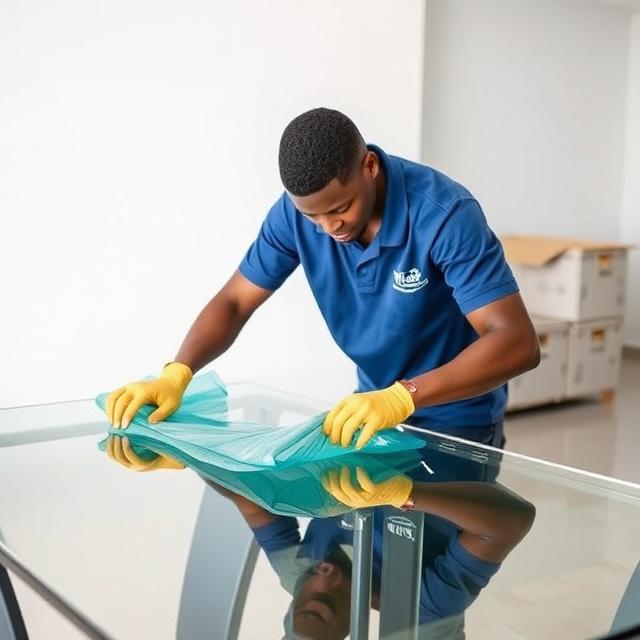
When you’re figuring out how to pack and move fragile items, remember: fragile doesn’t only mean glass. It includes anything that can crack, crush, or crumble — from mirrors and porcelain to electronics, flowers, and even eggs. These items need precision, the right materials, and care at every stage of the moving process.
Essential Packing Materials
To avoid costly damage, gather these professional-grade materials:
- Sturdy moving boxes (preferably double-walled)
- Bubble wrap (small and large)
- Packing paper or foam wrap
- Stretch wrap and moving blankets
- Corner protectors for mirrors/art
- Labels, markers, and FRAGILE stickers
- Crates or hard plastic bins for extra protection
How to Pack Small Fragile Items
Glasses, Cups & Mugs
Wrap each item with packing paper first, then a layer of bubble wrap. Place them vertically in a box with dividers or crumpled paper.
Plates and Bowls
Stack plates on their side (like records). Use foam sheets or bubble wrap between each. Fill gaps with paper.
Vases and Ceramics
Stuff hollow pieces with packing paper to prevent internal pressure. Wrap the outside in bubble wrap, and place them snugly in boxes labeled “Fragile Kitchenware.”
When learning how to pack fragile kitchenware, always handle each item as if it’s irreplaceable. Using the right wrap, the right box, and the right orientation makes all the difference.
How to Pack Large Fragile Items
Mirrors & Glass Items
Wrap the entire mirror with foam or cardboard. Use corner guards and then moving blankets. Always store mirrors vertically in the truck — never flat.
Glass Tables or Marble Tops
Disassemble if possible. Wrap parts in moving pads and plastic wrap. Never stack anything on top of them.
Garden Statues or Fountains
Disassemble carefully. Wrap each part in bubble wrap and foam sheets. Use crates for heavy or valuable statues.
Disassembly Tips for Fragile Structures
When disassembling fragile objects like chandeliers, modular fountains, or antique furniture:
- Use the right tools.
- Label every part and keep hardware in zip bags taped to the item.
- Take photos before and after to help reassemble.
- Wrap each disassembled piece individually.
💡 Pro Tip: Always wear gloves when handling glass or thin ceramic parts to prevent slipping and injury.
Packing Flowers and Even Eggs
Flowers
To move flowers safely, trim the stems and place them in containers with just enough water to keep them hydrated. Wrap each bouquet loosely with soft tissue paper, allowing airflow. Use ventilated boxes to avoid heat buildup, and cushion the base to prevent tipping. If the weather is warm, it’s best to transport flowers in your own vehicle to control temperature and avoid crushing.
Eggs
Keep eggs in their original cartons and wrap the entire carton with a layer of bubble wrap. Place the wrapped carton inside a small, padded box with no room to shift. For added protection, surround it with crumpled paper or foam. Label clearly with “FRAGILE – THIS SIDE UP” and keep the box upright during the move.
🥚 Yes, some clients even move gourmet or rare eggs — and they deserve care just like glassware!
Tips for Loading Fragile Items into a Moving Truck
- Place heavy fragile boxes on the floor — lighter ones on top.
- Use straps and padding to prevent shifting.
- Don’t leave empty space in boxes — fill with foam or paper.
- Mark every side of the box with “FRAGILE – This Side Up”.
🏁 Final Thoughts
Learning how to pack and move fragile items is not just about protecting stuff — it’s about protecting memories, heirlooms, and irreplaceable valuables. Whether you’re moving wine glasses or garden sculptures, taking time to wrap, pad, label, and load properly can make all the difference.
Bonus Tip: Hire professional movers experienced in fragile packing if you’re unsure — your peace of mind is worth it.

