
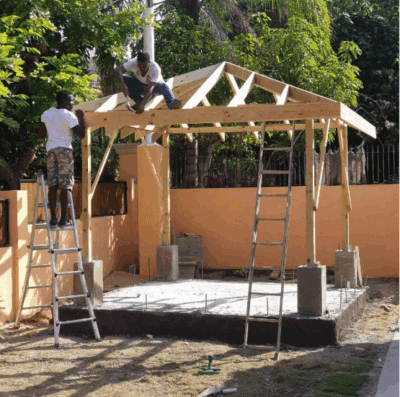
Gazebo construction is more than just assembling a shelter — it’s about transforming an outdoor space into a personal oasis. Whether you’re aiming to add charm to a garden, create a shaded sitting area, or build a stylish focal point, a well-planned gazebo can elevate your entire landscape. In this guide, we walk you through every stage of gazebo construction — from site selection and materials to beautification, decks, and use cases — with best practices to ensure durability and elegance.
Understanding Gazebo Construction
A gazebo is a freestanding, open-sided structure often found in gardens, parks, or backyards. Gazebo construction involves multiple phases: planning, foundation setting, frame work, roofing, decking (optional), and aesthetic finishing. Each stage is crucial to the gazebo’s strength, style, and long-term use.
📍 Stage 1: Site Selection and Positioning
Location is everything. Before construction begins, consider:
- Sunlight: Do you want morning sun or evening shade?
- Wind direction: Shield from prevailing winds to reduce structural wear.
- View: Position to maximize garden views or privacy.
- Accessibility: Paths or walkways should connect the gazebo seamlessly to the rest of the yard.
👉 Best practice: Place gazebos near water features, gardens, or open lawns — away from trees with invasive roots or falling leaves.
Stage 2: Choosing the Right Materials
Gazebo construction can use various materials depending on the budget, climate, and aesthetic goals.
Common materials:
| Material | Pros | Cons |
|---|---|---|
| Timber (e.g., treated pine, cypress, mahogany) | Natural, classic look | Requires maintenance (staining, sealing) |
| Steel | Durable, modern finish | Can rust if not well-coated |
| Aluminium | Lightweight, rust-resistant | Less sturdy in high-wind areas |
| Bamboo | Eco-friendly, tropical feel | Weaker under heavy rain or wind |
| Concrete | Extremely durable, customizable | Higher cost, longer build time |
🔨 Best practice: Use pressure-treated wood or galvanized steel for Kenyan climates — they withstand humidity and insects better.
Stage 3: Foundation and Framing
A solid foundation ensures stability. Depending on the size and use of the gazebo:
- Concrete slab: Ideal for permanent, heavy gazebos.
- Concrete piers: Great for elevated decks.
- Paver or stone bases: Common in garden installations.
Framing involves building the vertical supports and roof trusses. Ensure:
- Posts are treated for termites and water damage.
- Fasteners are rust-proof.
- Structural braces are used for high-wind areas.
Stage 4: Roofing Styles and Best Practices
Roofing is both functional and aesthetic. Choices include:
- Gable roofs: Sloped sides for rain runoff.
- Hexagonal/octagonal roofs: Traditional style, good air circulation.
- Flat roofs: Modern, minimalist, but require perfect sealing.
- Thatched roofs: Great in Kenya for tropical garden vibes.
Materials: Asphalt shingles, tiles, metal sheets, or even polycarbonate panels.
🏗 Best practice: Match roofing materials to your home for continuity.
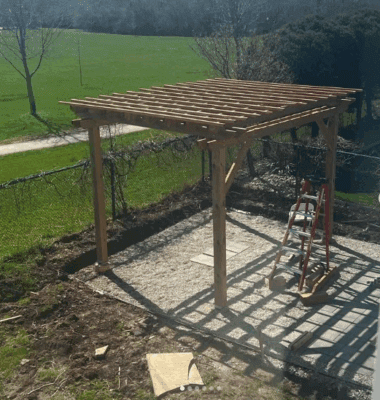
Optional Decking and Flooring
Decks elevate the gazebo, providing:
- Water runoff management
- Insect control
- Level ground over slopes
Popular decking materials:
- Hardwood (e.g., Iroko, Teak)
- Composite decking
- Concrete tiles
- Artificial turf (low maintenance)
🧹 Tip: Always include a slight slope (1-2%) in decking to drain rainwater naturally.
Stage 5: Beautification and Accessories
This is where gazebo construction becomes art. Some ideas:
- Lighting: Solar lights, hanging lanterns, or concealed LED strips
- Curtains: For privacy and weather protection
- Seating: Built-in benches or rattan furniture
- Plants: Use hanging planters or climbing vines like bougainvillea
- Paint/Stain: Choose natural tones for wood or white for a classic colonial look
🏆 Best practice: Use local inspiration — Kenyan coastal themes, safari palettes, or urban chic finishes.
Gazebo Sizes and Usage Ideas
Gazebo construction should match the purpose. Common sizes:
| Size (m) | Use |
|---|---|
| 3m x 3m | Private reading spot, intimate seating |
| 4m x 4m | Family dining area |
| 5m x 5m+ | Event hosting, weddings, business retreats |
Uses include:
- Relaxation area
- Wedding altar
- Yoga/meditation space
- Outdoor bar
- Office breakout zone
Common Gazebo Construction Mistakes to Avoid
1. Poor foundation = shaky structure
A gazebo is only as strong as its foundation. If the base is uneven, too shallow, or made with weak materials, the entire structure becomes unstable. Over time, this can cause tilting, cracking, or even collapse. Always invest in a properly leveled and reinforced foundation before construction begins.
2. Wrong material for the climate = faster damage
Choosing the wrong materials for your environment leads to faster wear and tear. For example, untreated wood may rot quickly in humid areas, while thin metal frames may rust in coastal regions. Selecting durable, weather-appropriate materials ensures the gazebo lasts longer with minimal maintenance.
3. No water drainage plan = flooding and mold
A gazebo without proper drainage can easily become a trap for rainwater. Pooling water around the structure not only damages the foundation but also encourages mold, mildew, and mosquito breeding. Incorporating gutters, sloping ground, or a gravel base helps protect the gazebo and surrounding landscape.
4. Neglecting local regulations = penalties or demolition
Many homeowners forget that gazebos are considered permanent or semi-permanent structures in some areas. Failing to check local building codes or obtain the necessary permits may result in fines—or worse, being forced to take down the structure. Always confirm zoning laws before you start building.
5. Underbudgeting for finishing touches = incomplete look and hidden costs
While most people budget for the frame and roof, they often overlook essential finishing touches such as flooring, stain or paint, roofing details, lighting, and seating. This leaves the gazebo looking incomplete and less functional. Worse still, cutting corners at this stage often leads to higher maintenance costs later. A well-planned budget should always include the final details that make the gazebo both practical and visually appealing.
💡 Why a Professional Approach Matters
While DIY kits exist, professional gazebo construction guarantees:
- Structural integrity
- Proper permits and safety
- Aesthetic harmony with the rest of your space
- Long-term durability
Working with a landscaping and construction company in Kenya that understands local soil, weather, and styles ensures a stunning, lasting result.
Final Thoughts on Gazebo Construction
Whether you want a peaceful retreat or a standout structure for events, gazebo construction is an investment in beauty, functionality, and outdoor living. From choosing the right materials to beautifying the final space, attention to detail is everything. Consult with experts to bring your gazebo vision to life, perfectly matched to your space and purpose.

