Choosing the right lawn solution is one of the most important decisions in landscaping today. In Kenya, homeowners, landlords, and commercial property managers increasingly find themselves weighing artificial grass vs natural grass in Kenya as they plan outdoor spaces. Rising water costs, changing climate patterns, and modern lifestyle demands have reshaped how people think about lawns.
This guide provides a clear, honest, and professional comparison of artificial grass vs natural grass in Kenya, focusing on real-world performance, costs, maintenance requirements, and best practices for each option. The goal is not to push one solution, but to help you make an informed decision based on your property, lifestyle, and long-term expectations.
Understanding Natural Grass in the Kenyan Context
Natural grass has long been the default choice for Kenyan homes, estates, schools, and recreational areas. Popular varieties include Kikuyu grass, Bermuda grass, and Carpet grass, all chosen for their ability to grow in local climates.
Advantages of Natural Grass
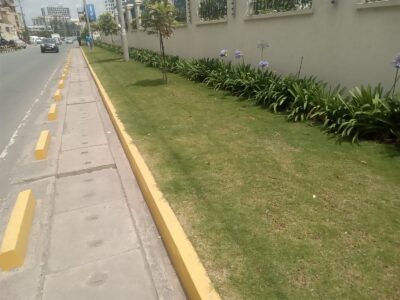
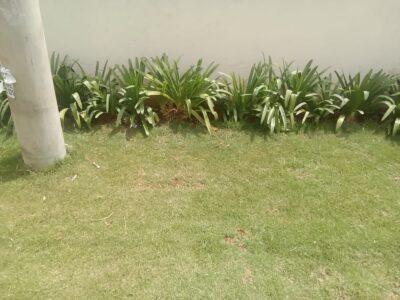
Natural lawns provide a cool surface, which is particularly valuable in hot regions. They feel soft underfoot and contribute positively to the environment by improving soil health and supporting biodiversity. In the artificial grass vs natural grass in Kenya discussion, this natural cooling effect remains a key advantage.
Challenges of Natural Grass
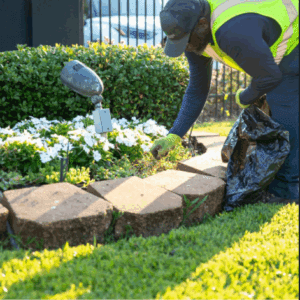
However, natural grass demands commitment. Regular watering, mowing, fertilising, and weed control are unavoidable. During dry seasons, maintaining a healthy lawn becomes costly and time-consuming. Poor drainage or compacted soil can also result in patchy growth, a common complaint among homeowners comparing artificial grass vs natural grass in Kenya.
Understanding Artificial Grass in Kenya
Artificial grass, also known as synthetic turf, has grown rapidly in popularity, especially in urban areas. It is manufactured to mimic real grass and installed over a prepared base.
Advantages of Artificial Grass
The biggest appeal lies in low maintenance. Artificial grass does not require watering, mowing, or fertiliser. In the artificial grass vs natural grass in Kenya comparison, this makes it ideal for busy professionals, rental properties, rooftops, and commercial spaces. It also remains green throughout the year regardless of rainfall.
Limitations of Artificial Grass
Artificial turf has a higher upfront cost and can retain heat under direct sun. Quality varies significantly, and poor installation can reduce lifespan. These are important considerations when evaluating artificial grass vs natural grass in Kenya realistically.
Cost Comparison: Short-Term vs Long-Term
Cost is often the deciding factor when clients compare artificial grass vs natural grass in Kenya.
- Natural grass generally has a lower initial installation cost, especially when sod is used.
- Artificial grass requires higher upfront investment due to materials and base preparation.
However, long-term costs tell a different story. Natural grass continues to incur expenses through water bills, lawn care, fertiliser, and occasional replanting. Artificial grass, while expensive initially, tends to stabilise costs over time due to minimal upkeep. A proper artificial grass vs natural grass in Kenya analysis must consider this long-term perspective.
Maintenance Requirements Compared
Best Practices for Natural Grass
- Install proper drainage to prevent waterlogging
- Water deeply but less frequently
- Mow regularly to avoid stress on grass
- Apply fertiliser seasonally
- Control weeds early
Without these practices, natural lawns deteriorate quickly, a key reason some homeowners shift sides in the artificial grass vs natural grass in Kenya debate.
Best Practices for Artificial Grass
- Use a well-compacted base for longevity
- Choose UV-stabilised turf suitable for Kenyan sun
- Rinse occasionally to remove dust
- Brush fibres to maintain appearance
Artificial grass rewards good installation more than ongoing effort, which strongly influences the artificial grass vs natural grass in Kenya decision for low-maintenance seekers.
Water Use and Sustainability
Water availability is a growing concern across many parts of Kenya. Natural grass requires consistent irrigation, especially during dry months. Artificial grass eliminates this demand entirely.
In sustainability discussions around artificial grass vs natural grass in Kenya, the trade-off is clear:
- Natural grass supports ecosystems but consumes water
- Artificial grass conserves water but relies on manufactured materials
The best choice depends on location, water access, and environmental priorities.
Appearance, Comfort, and Use Cases
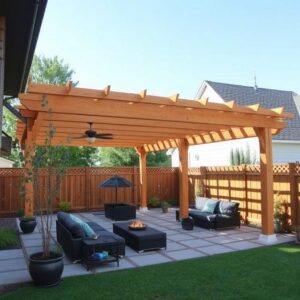
Modern artificial turf has improved significantly and can look very realistic. Still, natural grass offers unmatched authenticity and comfort.
Natural grass is best for:
- Large family gardens
- Play areas needing cooler surfaces
- Properties with reliable water supply
Artificial grass is best for:
- Small gardens and courtyards
- Rooftops and balconies
- Offices, schools, and rental properties
Understanding intended use is critical when evaluating artificial grass vs natural grass in Kenya.
Common Mistakes to Avoid
Many problems arise not from the grass choice, but from poor planning:
- Installing natural grass without irrigation planning
- Choosing cheap artificial turf that fades quickly
- Ignoring soil preparation
- Skipping professional site assessment
Avoiding these mistakes ensures success regardless of where you stand in the artificial grass vs natural grass in Kenya comparison.
Frequently Asked Questions
Is artificial grass suitable for Kenyan weather?
Yes, if high-quality, UV-resistant turf is used.
Does natural grass always cost less?
Only initially. Long-term maintenance can exceed artificial grass costs.
Which option adds more property value?
Both can, if installed professionally and maintained properly.
Conclusion: Which Is Better?
There is no universal winner in the artificial grass vs natural grass discussion. Natural grass offers environmental benefits, cooling, and authenticity, while artificial grass provides convenience, water savings, and consistent appearance.
The best choice depends on:
- Water availability
- Maintenance commitment
- Property size and usage
- Long-term budget
A professional site visit and needs assessment remain the smartest next step before deciding.