A home is more than a place to live. It is a space that should provide comfort, functionality and a pleasant environment for everyone living in it. Over time, however, changing household needs, ageing materials and everyday use can make certain areas less practical or attractive.
This is where thoughtful home improvement become important. Whether it involves updating an interior space, improving the compound or making better use of available outdoor areas, the right changes can make a noticeable difference to how a property looks and functions.
Home improvements do not always require a complete renovation. Sometimes, a few carefully planned upgrades can improve the appearance, comfort and usability of a home without undertaking major construction work.
1. Improving Interior Spaces
Interior spaces have a direct influence on everyday living. They determine how comfortably people move around, use different rooms and interact within the home.
Some practical home improvement ideas begin with identifying areas that no longer meet the household’s needs.
Kitchen and Bathroom Upgrades
Kitchens and bathrooms experience frequent daily use and can benefit considerably from periodic improvements.
In kitchens, upgrading cabinets, improving storage, replacing worn countertops and introducing better lighting can make the space more functional.
Bathrooms may benefit from updated fittings, improved ventilation, modern tiling and better water management.
These improvements do not necessarily require changing the entire layout. Retaining functional elements while upgrading worn or outdated features can help manage renovation costs.
Flooring, Painting and Finishes
Flooring and wall finishes contribute significantly to the overall appearance of interior spaces.
Worn floor tiles, peeling paint and damaged ceilings can make an otherwise well-maintained home appear neglected.
Replacing damaged flooring, refreshing wall colours and improving ceiling finishes can create a cleaner and more coordinated interior.
The choice of materials should consider durability, maintenance requirements and the intended use of each room.
Lighting and Space Utilisation
Lighting is another important consideration when planning interior improvements.
Poorly positioned lighting can make rooms feel uncomfortable, while suitable lighting arrangements can improve visibility and create a more welcoming atmosphere.
Storage solutions, furniture placement and better room organisation can also improve the use of available space, particularly in smaller homes.
2. Making the Exterior More Functional
The exterior of a home deserves the same attention as its interior. The compound, driveway, garden and outdoor living areas influence the property’s appearance and everyday functionality.
Several home improvement ideas can help make outdoor spaces more organised and practical.
Improving Driveways and Walkways
Driveways and walkways should provide safe and convenient access around the property.
Uneven surfaces, poor drainage and deteriorating paving can create maintenance problems, particularly during rainy periods.
Improving ground preparation, installing suitable paving materials and establishing proper drainage can help create more durable outdoor surfaces.
The choice of paving should consider vehicle movement, soil conditions, water runoff and the general layout of the compound.
Creating Functional Garden Spaces
A garden can serve more than a decorative purpose. It can provide an area for relaxation, recreation and outdoor activities.
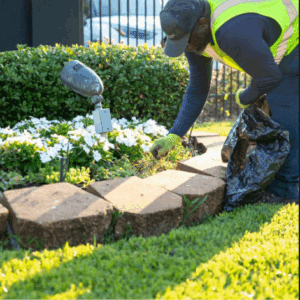
Establishing suitable grass, maintaining garden beds, planting trees and organising pathways can improve the usability of available outdoor space.
When considering home improvement ideas for gardens, it is important to select plants and ground cover that suit the local climate, available sunlight and maintenance capacity.
A well-planned garden should complement the architecture of the house rather than compete with it.
Improving Outdoor Living Areas
Outdoor spaces can become useful extensions of the home when properly planned.
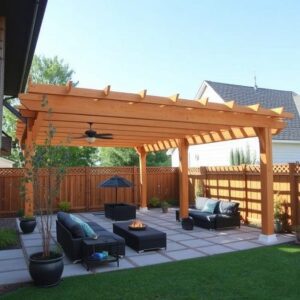
Pergolas, gazebos, outdoor dining areas and seating spaces provide opportunities to enjoy the compound beyond the traditional indoor living areas.
3. Addressing Drainage and Water Management
One of the most important aspects of maintaining a residential property is managing rainwater effectively.
Poor drainage can contribute to water accumulation, soil erosion, dampness and damage to outdoor surfaces.
Before undertaking cosmetic exterior upgrades, homeowners should assess how water moves across the property.
Depending on the site’s conditions, improvements may include installing drainage channels, correcting ground levels, introducing suitable runoff routes and protecting vulnerable sections of the compound.
These improvements are particularly important where the property has sloping ground or experiences frequent water accumulation.
A good-looking compound is not necessarily a well-functioning one. Proper preparation and water management should come before decorative finishes.
4. Planning Home Improvements Within a Budget
Not every improvement needs to happen at once. A structured approach can help homeowners manage costs while addressing the most important areas first.
The following considerations can help when planning home improvement ideas:
- Prioritise essential repairs: Address leaking pipes, drainage problems, damaged surfaces and electrical concerns before cosmetic upgrades.
- Set a realistic budget: Establish how much can comfortably be spent and allow for unexpected expenses.
- Choose durable materials: Consider quality, maintenance requirements and long-term performance rather than focusing only on the initial purchase price.
- Plan improvements in phases: Divide larger projects into manageable stages, especially where several areas of the property require attention.
- Consider the overall design: Interior and exterior improvements should complement one another to create a consistent appearance.
Planning also helps avoid unnecessary alterations and repeated expenditure caused by undertaking projects in the wrong order.
5. Why Professional Planning Matters
Some household improvements may be completed through routine maintenance, while others require technical knowledge and proper construction planning.
Projects involving electrical installations, plumbing, structural alterations, drainage and extensive outdoor works should be assessed carefully before implementation.
Professional planning helps establish the scope of work, identify potential challenges, select suitable materials and determine the correct sequence of activities.
For larger projects, it is also important to have clear agreements on costs, timelines, material specifications and responsibilities.
This helps homeowners make informed decisions and reduces the likelihood of costly changes during implementation.
6. Think Beyond Individual Upgrades
One of the common mistakes homeowners make is treating every improvement as an isolated project.
For example, installing new paving without considering drainage can create problems later. Similarly, improving an interior space without considering storage and movement can limit the benefits of the upgrade.
The most effective home improvement ideas consider how different parts of the property work together.
A comfortable home requires more than attractive finishes. It needs functional interiors, accessible outdoor spaces, reliable drainage and materials that can withstand everyday use.
By approaching improvements as part of a wider property plan, homeowners can make better decisions and achieve results that remain useful over time.
Conclusion
Improving a home is an ongoing process that should respond to changing needs, available budgets and the condition of the property.
From interior finishes and better storage to outdoor living spaces, paving and drainage, every improvement should contribute to the property’s overall functionality and comfort.
The best home improvements are not necessarily the most expensive. They are the ones that address real problems, make better use of available space and provide lasting value.