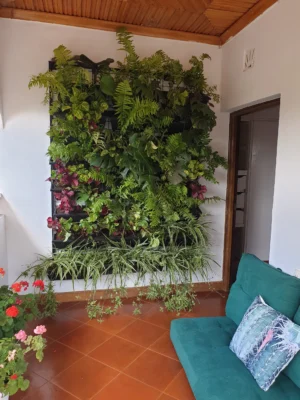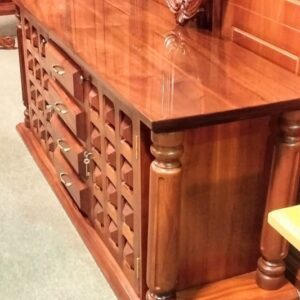
Interior design in Kenya is rapidly evolving. No longer reserved for high-end estates, today’s homeowners and renters across Nairobi, Kisumu, Nakuru, and beyond are embracing the power of good design. From color coordination to custom furniture, local trends reflect both modern aesthetics and Kenyan practicality.
Whether you’re decorating a new home or refreshing a rental apartment, this guide offers expert insight into modern interior design in Kenya — with tips on home furniture, painting, study desk layouts, and more.
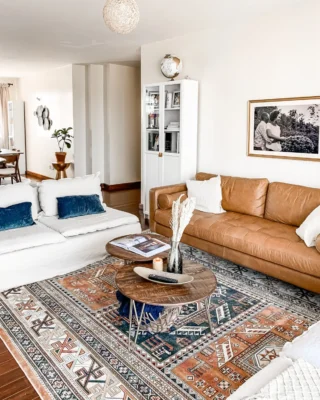
The Role of Functional Furniture in Interior Design
Locally Made vs Imported Furniture
In Kenya, home furniture has become more accessible and diverse. Urban centers like Nairobi and Mombasa now feature both local furniture workshops and showrooms with imported European and Asian designs. From Lavington to Syokimau, modern households often blend:
- Locally made hardwood pieces (e.g., mvule dining tables, mahogany TV stands)
- Modular sofa sets suitable for open-plan living rooms
- Multi-functional coffee tables with hidden storage
These selections combine affordability, durability, and local flair — a key to sustainable living.
Painting and Colour Palettes
Choosing Paint for Kenyan Homes
Interior painting in Kenya has gone beyond plain white walls. Today’s homeowners explore:
- Warm earth tones like beige, burnt orange, or olive
- Accent walls using bold colors like navy blue or forest green
- Textured finishes (stucco or sponge painting) for feature areas
Affordable brands like Crown Paints and Sadolin dominate the Kenyan market, offering washable emulsions suited for family homes and apartments.
Lighting & Natural Brightness
Lighting for Nairobi Homes and Beyond
In many Kenyan homes, natural light is abundant during the day. Still, smart lighting can elevate your interior:
- Pendant lights over dining areas
- LED strips along ceilings or stairways
- Solar-powered lamps for sustainable design in off-grid homes
Proper lighting enhances color, sets mood, and improves visibility — especially in study and bedroom areas.
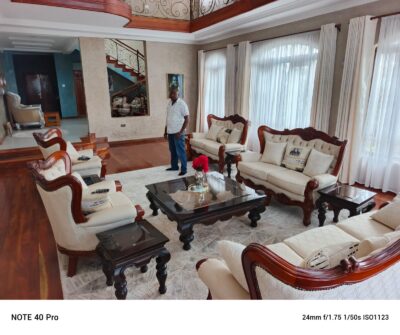
Study Desks and Workspaces at Home
Designing for Productivity
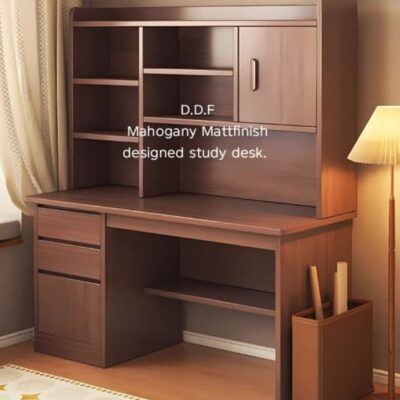
As more Kenyans embrace hybrid work, the study desk has become a design essential. A good home office corner should include:
- A comfortable study desk and ergonomic chair
- Shelving units for documents or books
- Indoor plants for air purification and focus
- Pin boards or artwork for a personalized touch
Places like Kitengela, Ruiru, and Juja now see an increase in demand for bespoke wooden desks tailored for tight apartment spaces.
Local Art, Soft Furnishings & Accessories
Bringing Personality Into the Room
A space only feels truly personal when it reflects your identity. Add soul to your room with:
- Canvas paintings by local artists from Maasai Market
- Cushions and curtains from Eastleigh or Gikomba
- Handmade woven mats from coastal towns
- Indoor greenery like peace lilies or ZZ plants
Even simple additions like a sisal basket or hand-painted vase can create visual warmth in your home.
Storage Solutions & Minimalist Design
Smart Living in Small Spaces
With smaller urban apartments, minimalism helps keep your space open and clean. Use:
- Under-bed drawers
- Wall-mounted shelves
- Foldable dining sets
- Vertical storage racks
Less clutter means more breathing room — a concept that’s catching on quickly in Nairobi’s high-rise apartments and student housing.
Interior Design Mistakes to Avoid
- Overmatching colors (e.g., red walls with red furniture)
- Poor lighting or over-reliance on overhead bulbs
- Using low-quality, plastic furniture that wears out fast
- Neglecting ventilation and airflow
- Forgetting cultural or personal context in the design
Conclusion: Designing for Life, Not Just Looks
Interior design in Kenya is about comfort, beauty, and local relevance. Whether you’re decorating a one-bedroom in Umoja, a townhouse in Kilimani, or a family house in Eldoret, your space should feel like you.
Invest in quality furniture, choose your colors wisely, let light work its magic, and always leave room for personal touches. You don’t need a huge budget to create a home that feels beautiful and functions well — just creativity, planning, and a Kenyan sense of style.