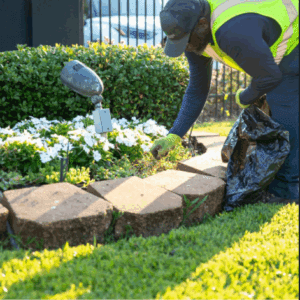

A healthy, well-installed lawn can completely transform the appearance of a residential or commercial compound. In Kenya, lawn installation is increasingly popular among homeowners, property developers, offices, schools, hotels, and other institutions looking to create attractive and functional outdoor spaces.
However, installing a lawn is more than simply spreading grass across the compound. The success of a lawn depends on proper soil preparation, choosing the right grass, adequate drainage, correct installation, watering, and ongoing maintenance.
If you are planning lawn installation in Kenya, this guide explains the main grass options, factors that affect installation costs, and how to maintain a healthy lawn throughout the year.
What Is Lawn Installation?
Lawn installation is the process of preparing an area and establishing grass to create a continuous, healthy lawn. Depending on the project, this can involve clearing the site, preparing and improving the soil, grading the ground, installing drainage where necessary, planting grass or laying turf, watering, and establishing a maintenance routine.
Professional lawn installation is particularly important where the compound has poor soil, uneven ground, drainage problems, heavy foot traffic, or existing vegetation that needs to be removed.
A properly installed lawn provides more than visual appeal. It can make outdoor spaces more comfortable, reduce exposed soil and dust, and provide an attractive area for recreation and outdoor activities.
Popular Types of Grass for Lawns in Kenya
Choosing the right grass is one of the most important decisions when planning a lawn. Different grass varieties have different requirements for sunlight, watering, maintenance, and traffic tolerance.
1. Kikuyu Grass
Kikuyu grass is one of the commonly used lawn grasses in Kenya. It can establish well under suitable conditions and is often considered for residential compounds, open spaces, and areas that receive regular use.
It generally performs best with adequate sunlight, water, and regular maintenance. Because it can spread vigorously, proper mowing and edging are important.
2. Bermuda Grass
Bermuda grass is another option for lawns exposed to plenty of sunlight. It can tolerate regular use and is often suitable for recreational areas and compounds where durability is important.
Bermuda grass usually requires regular mowing and sufficient moisture during dry periods to maintain good coverage.
3. Carpet Grass
Carpet grass can be considered for certain Kenyan landscapes, particularly where conditions are suitable for its growth. It is often valued for creating a dense green appearance.
The appropriate grass ultimately depends on the location, soil conditions, amount of sunlight, drainage, and intended use of the lawn.
How Much Does Lawn Installation Cost in Kenya?
The cost of lawn installation in Kenya varies considerably from one project to another. There is no single price that applies to every compound because several factors affect the final quotation.
These include:
- Size of the lawn area
- Type of grass selected
- Condition of the existing soil
- Amount of site preparation required
- Whether old vegetation needs to be removed
- Soil improvement requirements
- Drainage requirements
- Labour
- Transportation of materials
- Watering requirements
- Accessibility of the property
- Whether natural grass or another lawn solution is selected
For this reason, it is better to have the site assessed before receiving a final quotation.
A small residential lawn requiring minimal preparation may cost considerably less than a large compound requiring extensive clearing, soil improvement, grading, drainage, and turf installation.
If you are comparing quotations, avoid looking only at the price per square metre. Ask what is included in the lawn installation package. A cheaper quotation may exclude important preparation work that becomes necessary later.
Preparing the Ground Before Lawn Installation
Good preparation is one of the foundations of a successful lawn.
The first step is usually clearing the area of unwanted vegetation, debris, stones, construction waste, and other materials that could interfere with grass establishment.
The soil is then assessed to determine whether it needs improvement. Where necessary, organic matter or suitable topsoil can be incorporated to improve growing conditions.
The ground should also be levelled and graded appropriately. Poor grading can lead to water pooling in some sections of the compound while leaving other areas excessively dry.
Drainage should also be considered, particularly in areas that experience waterlogging.
Once the ground has been properly prepared, the grass can be planted or turf can be laid depending on the selected lawn installation method.
Natural Grass vs Turf Installation
Homeowners generally have different options when establishing a lawn.
Natural grass can be grown from seed or established using grass cuttings or other suitable planting methods, depending on the grass variety. This approach can take time because the lawn needs to establish before it reaches its desired appearance.
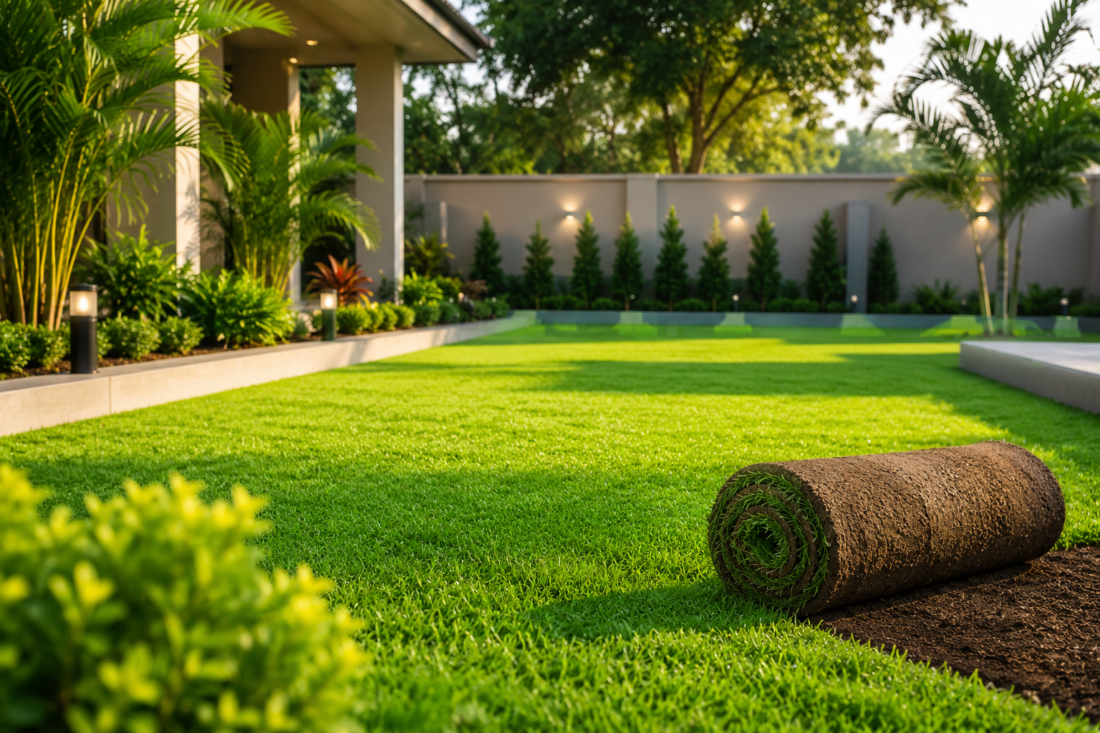
Turf provides a faster transformation because established grass is laid directly onto the prepared ground. With proper preparation, watering, and aftercare, the lawn can begin developing a strong root system in its new location.
The best option depends on the project’s budget, timeline, grass variety, site conditions, and desired results.
Lawn Maintenance After Installation
Installing a lawn is only the beginning. Proper maintenance is necessary to keep the grass healthy and attractive.
Regular Mowing
Grass should be mowed regularly rather than allowed to become excessively long. The appropriate mowing frequency depends on the grass variety, weather conditions, and rate of growth.
Avoid removing too much of the grass during one mowing session because this can put unnecessary stress on the lawn.
Proper Watering
Newly installed lawns require consistent watering while the grass establishes its roots. The exact watering requirements depend on the grass type, soil, weather, and drainage.
Overwatering can create problems just as insufficient watering can. A good watering routine should provide adequate moisture without leaving the soil continuously saturated.
Weed Control
Weeds compete with grass for nutrients, water, sunlight, and space. Regular inspection makes it easier to identify and control weeds before they become widespread.
Fertilization
Depending on the condition of the soil and the needs of the grass, fertilization may help maintain healthy growth. Soil condition should be considered before applying fertilizers rather than applying them indiscriminately.
Lawn Edging
Edging around pathways, flower beds, driveways, and other landscape features gives the lawn a cleaner appearance and prevents grass from spreading into unwanted areas.
Common Lawn Installation Mistakes
Several mistakes can reduce the quality and longevity of a new lawn.
One common mistake is installing grass without properly preparing the soil. Even high-quality grass may struggle if the underlying soil is compacted, poorly drained, or lacking suitable growing conditions.
Another mistake is selecting grass based purely on appearance. A grass variety that looks attractive may not be appropriate for the amount of sunlight, traffic, or watering available at the property.
Poor drainage is another major concern. Waterlogged areas can damage grass and create an unhealthy growing environment.
Finally, neglecting maintenance after installation can quickly reduce the appearance of a lawn. Regular mowing, watering, weed control, and general monitoring are essential.
Choosing a Lawn Installation Company in Kenya
If you are hiring a professional for lawn installation, consider more than the quoted price.
Look at the company’s experience, previous landscaping projects, understanding of local conditions, and ability to handle both installation and maintenance.
A professional landscaping team should be able to assess your compound, recommend suitable grass, identify soil or drainage problems, prepare the site correctly, and explain the maintenance required after installation.
It is also useful to review previous lawn projects to see the quality of their work.
Final Thoughts
A beautiful lawn starts with the right preparation and the right grass. Whether you are improving a residential compound, commercial property, school, hotel, or institutional space, professional lawn installation in Kenya can create an attractive outdoor environment when the grass is properly selected, installed, and maintained.
Before starting your project, consider the size of the compound, sunlight, soil condition, drainage, expected foot traffic, maintenance requirements, and your budget.
With proper planning and ongoing care, a well-installed lawn can become one of the most attractive features of your landscaped compound.