
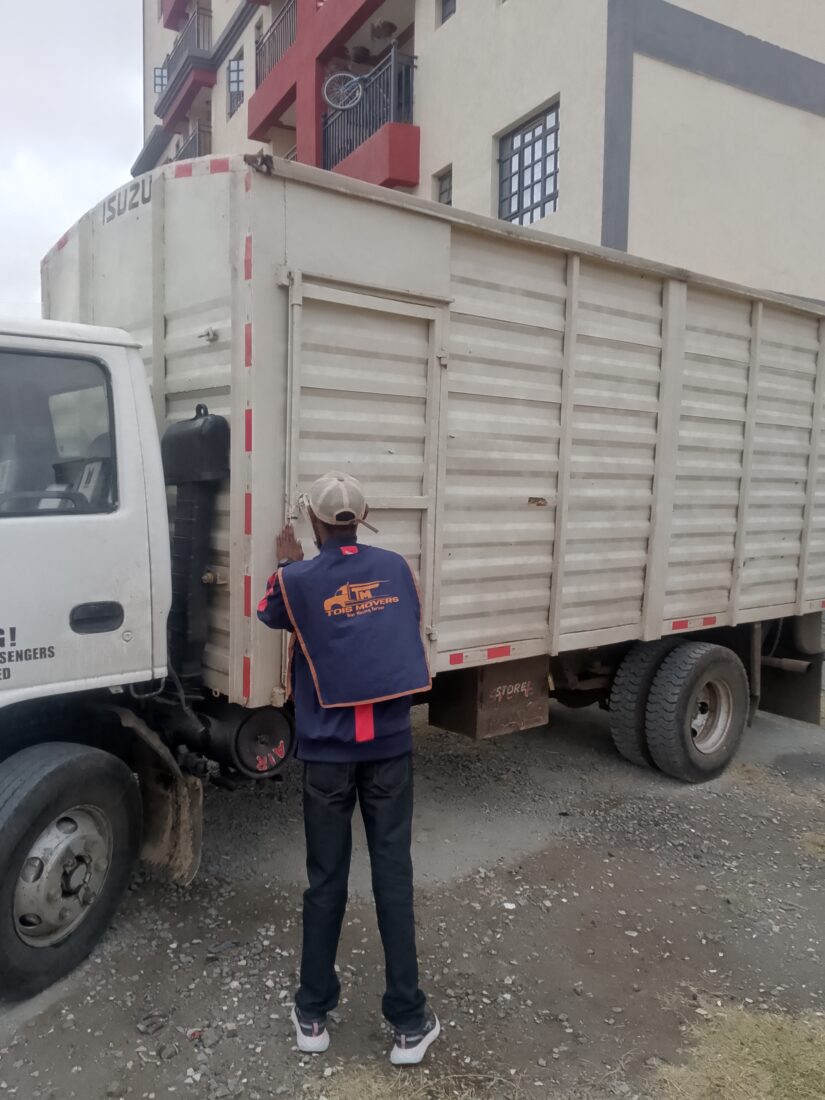
Proper loading techniques during relocation play an important role in protecting household and office belongings during transportation. How items are arranged, balanced and secured inside a moving vehicle can determine their condition when they arrive at their destination.
Why loading requires proper planning
Furniture, appliances, boxes and fragile items vary in size, weight and strength. Random placement can create uneven weight distribution. Heavy objects may press against delicate belongings, while unsecured items can slide when the vehicle brakes or turns.
Proper loading techniques during relocation reduce these risks by giving each item a suitable position and securing it appropriately. Planning also helps the team use vehicle space efficiently without forcing items into unsuitable positions.
Assess the items before loading
Before loading begins, identify the type, size, weight and condition of the belongings. Large furniture may need dismantling, while appliances require suitable preparation and protection. Glass tables, mirrors, televisions and other delicate objects should be identified early so they receive special handling.
An assessment also helps determine the loading order. Items that must be unloaded first can be positioned accordingly, reducing rearrangement at the destination.
Distribute weight evenly
Weight distribution is one of the most important considerations when arranging a moving vehicle. Heavy items should generally be placed low and positioned to maintain balance. Concentrating too much weight on one side can affect stability, while placing heavy objects on lighter belongings can cause damage.
Spread weight appropriately and keep the vehicle within its permitted carrying capacity. Position furniture and appliances securely, taking account of the vehicle’s layout.
Protect furniture and fragile belongings
Different materials require different forms of protection. Wooden furniture can be vulnerable to scratches and dents, while glass and ceramic items can break under pressure or impact. Protective blankets, wrapping materials and suitable padding help reduce contact between surfaces.
Pack fragile items in strong boxes with cushioning. Identify delicate belongings clearly and position them away from heavier items; labels alone are not enough.
Proper loading techniques during relocation include keeping fragile belongings away from pressure points and securing them so they cannot shift during transit. Use protective materials where necessary rather than relying on empty spaces to prevent movement.
Secure the load before travelling
Even a carefully arranged load can become unsafe if items are not secured. Straps, rails and other suitable restraints help keep furniture and boxes in position. Manage open spaces to prevent belongings shifting during the journey.
Before departure, check that doors can close safely, access is not obstructed and the load does not exceed the vehicle’s capacity. These precautions are consistent with wider road safety principles promoted by the National Transport and Safety Authority (NTSA). A final inspection is part of proper loading techniques during relocation. If anything appears unstable, adjust it before the vehicle moves.
Load in a practical sequence
The order of loading affects how easily the vehicle can be unloaded. Large and heavy pieces are often loaded first, followed by medium-sized items and appropriately packed boxes. Smaller or lighter belongings can fill suitable spaces, provided they are not crushed or placed where they may fall.
Group items by destination room where practical. This makes unloading more organised and reduces sorting after arrival.
A clear loading plan assigns responsibilities before work begins. Team members identify items needing two-person lifting, extra padding or careful positioning. This reduces confusion. Proper loading techniques during relocation also account for road conditions and sudden braking. Secure placement prevents movement. Proper loading techniques during relocation keep belongings protected until unloading, when the team can remove items in a safe sequence efficiently.
Why experience matters
Loading requires judgement and coordination. The team must consider weight, shape, fragility, balance and travel distance. Rushing can lead to damage, delays and additional handling.
Professional house moving services require proper judgement and coordination when handling furniture, appliances and other household belongings. They protect belongings, use vehicle space efficiently and reduce transportation problems. The aim is not simply to fit everything into the truck, but to keep the load stable.
Final considerations
A successful move depends on preparation, packing, loading, transportation and unloading. Assessing belongings, distributing weight, protecting fragile items and securing the load makes transportation more dependable.
When planning a relocation, loading should be treated as a skilled part of the process rather than a last-minute task. Careful organisation can make a meaningful difference to belongings on arrival.