
A Comprehensive Guide for Families
Relocation to a new home is a significant life change. Many families face challenges during this time. To ensure a smooth transition for everyone, including children, pets, fragile items, and heavy furniture, here are some effective strategies to consider during your relocation.
1. Preparing Children for the Relocation Transition
Communication is Key
Start by discussing the relocation with your kids. Explain why you are moving. Share what they can expect in the new environment. This will help ease their anxiety. Encourage them to express their feelings. Listen to their concerns and excitement.
Create a Fun Moving Countdown for Relocation
Use a calendar to mark the days until the big move. Incorporate fun activities, such as packing parties. Let the children help pack their belongings. This involvement makes the process enjoyable and engaging.
Involve Them in Decision-Making During Relocation
Give your children choices about their new space. Let them pick their room layout or choose decor items. This sense of control can help them feel excited about the change.
2. Ensuring Pet Comfort During
Relocation
Prioritize Pet Care
Your pets are part of the family. Keep their needs front and center during the relocation. Maintain their routine as much as possible. Consider calming products, such as pheromone diffusers, to ease their anxiety.
Safe Transport During Relocation
Secure pets in their carriers for the journey. Plan frequent stops to allow them to stretch and relieve themselves. This will help keep them calm and comfortable during the relocation.
Settling In After Relocation
Once you arrive at your new home, create a designated area for your pets. Include familiar toys and bedding. Allow them time to explore their new surroundings at their own pace. This helps them adjust and feel at home.
3. Handling Fragile Items During Relocation
Inventory and Categorization for Relocation
Begin by taking inventory of all breakable items. Group them by category, such as dishes, glassware, and artwork. This organization simplifies packing during the relocation.
Use Quality Packing Materials
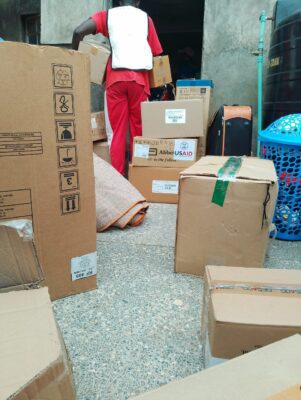
Invest in sturdy boxes, bubble wrap, and packing paper. Wrap each item carefully and use dividers for glassware. This approach minimizes the risk of damage during the relocation.
Label with Care for Relocation
Clearly label all boxes containing fragile items. Use “Handle with Care” stickers to alert movers. This simple step can prevent mishaps during the relocation.
4. Managing Heavy Furniture During Relocation
Plan Ahead for Relocation
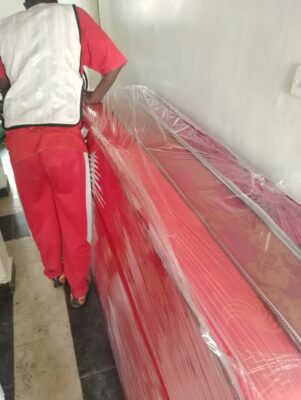
Before moving day, measure doorways, hallways, and staircases. This ensures large furniture pieces will fit. Consider disassembling bulky items, which makes transportation easier.
Use Proper Equipment for Relocation
Utilize moving equipment like dollies, straps, and furniture sliders. These tools help you maneuver heavy pieces safely. They reduce the risk of injury and damage during the relocation.
Enlist Help During Relocation
Don’t hesitate to ask friends for assistance or hire professionals. A team can lift and transport large items efficiently. This reduces stress and helps ensure a smooth relocation.
Conclusion
Relocation can be complex. Families must balance the needs of children, pets, fragile items, and heavy furniture. By following these strategies, you can create a smoother transition. Make the move as stress-free as possible for everyone involved. Remember, preparation and communication are key to a successful relocation.
Follow our social pages on X, Instagram and Facebook to get the latest updates