Soil Preparation
Creating a beautiful landscape starts long before grass is planted or flowers are arranged. The foundation of every thriving garden is soil preparation. Whether you are developing a residential garden in Nairobi, installing a lawn in Kiambu, or landscaping a commercial property in Mombasa, proper soil preparation ensures healthy plant growth and long-lasting results.
Kenya experiences diverse climatic conditions, ranging from cool highlands to hot coastal regions. These differences affect soil quality, drainage, and nutrient availability. Investing time and effort in preparing your soil reduces maintenance costs, improves plant survival, and creates a stronger foundation for your landscape.
Why Soil Preparation Matters
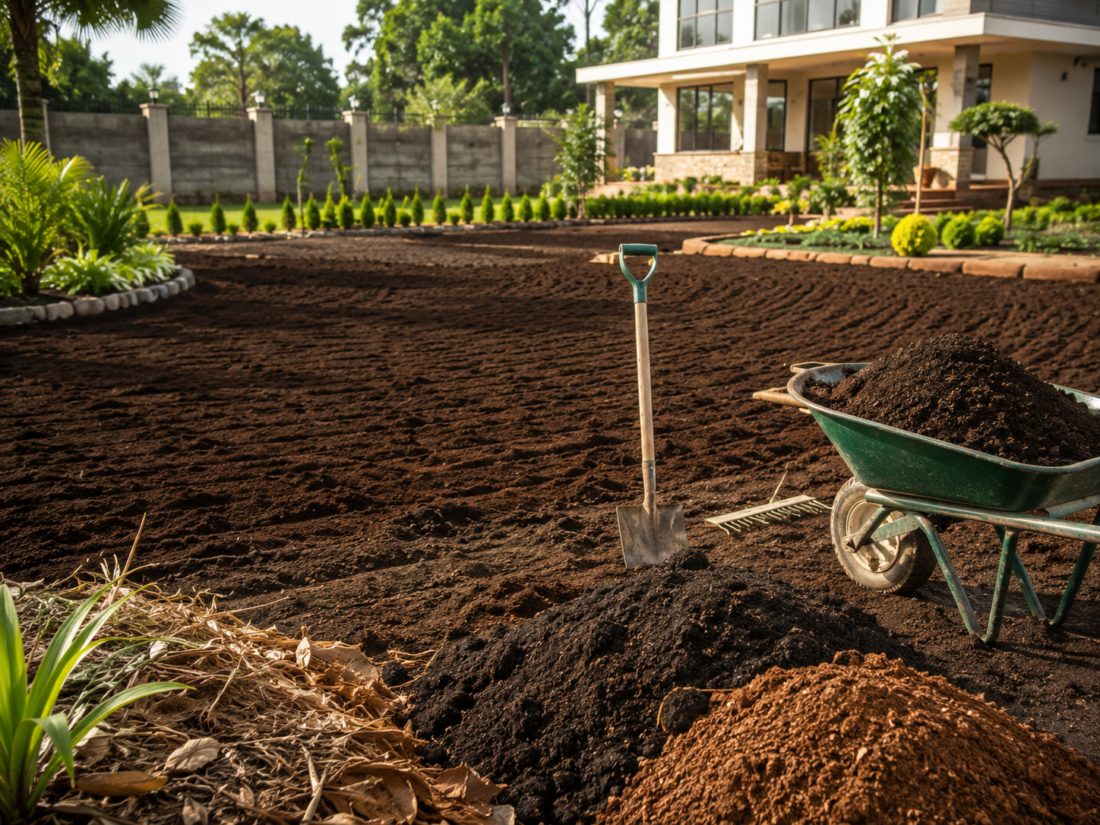
Many homeowners focus on selecting beautiful plants or premium turf while ignoring what lies beneath. Unfortunately, even the healthiest plants struggle when the ground has not undergone proper treatment.
Well-prepared soil offers several advantages:
- Encourages stronger root development
- Improves drainage during heavy rains
- Increases nutrient availability
- Reduces erosion
- Supports healthy microorganisms
- Minimizes weed growth
- Improves water retention during dry seasons
In Kenya, where rainfall patterns can be unpredictable, good soil preparation helps landscapes remain healthy throughout both rainy and dry periods.
Understanding Kenyan Soil Types
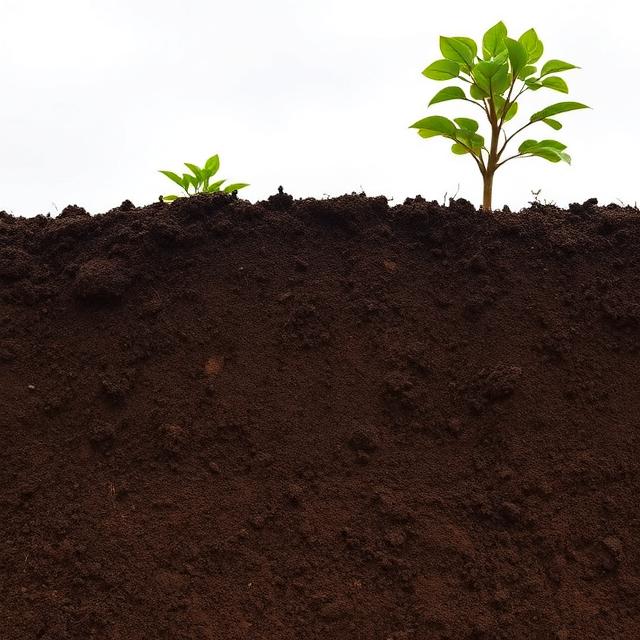
Before beginning preparation, it is important to understand the type of soil on your property.
Red Soil
Common around Nairobi, Kiambu, Limuru, and parts of Central Kenya.
Advantages:
- Good drainage
- Easy to cultivate
- Suitable for most landscaping projects
Challenges:
- Can lose nutrients over time
- Requires organic matter to remain fertile
Black Cotton Soil
Common in Kitengela, Athi River, Kajiado, and parts of Eastern Kenya.
Advantages:
- Rich in minerals
Challenges:
- Expands when wet
- Shrinks and cracks when dry
- Poor drainage
Proper soil works often involves replacing or improving black cotton soil before installing lawns or paving.
Sandy Soil
Common along the Kenyan coast.
Advantages:
- Excellent drainage
Challenges:
- Dries quickly
- Low nutrient retention
Adding compost and quality topsoil during soil preparation significantly improves sandy soils.
Loam Soil
Often considered ideal for landscaping.
It provides:
- Balanced drainage
- Excellent nutrient retention
- Healthy root growth
Where possible, landscapers incorporate loam into the process for optimal results.
Step 1: Clear the Site
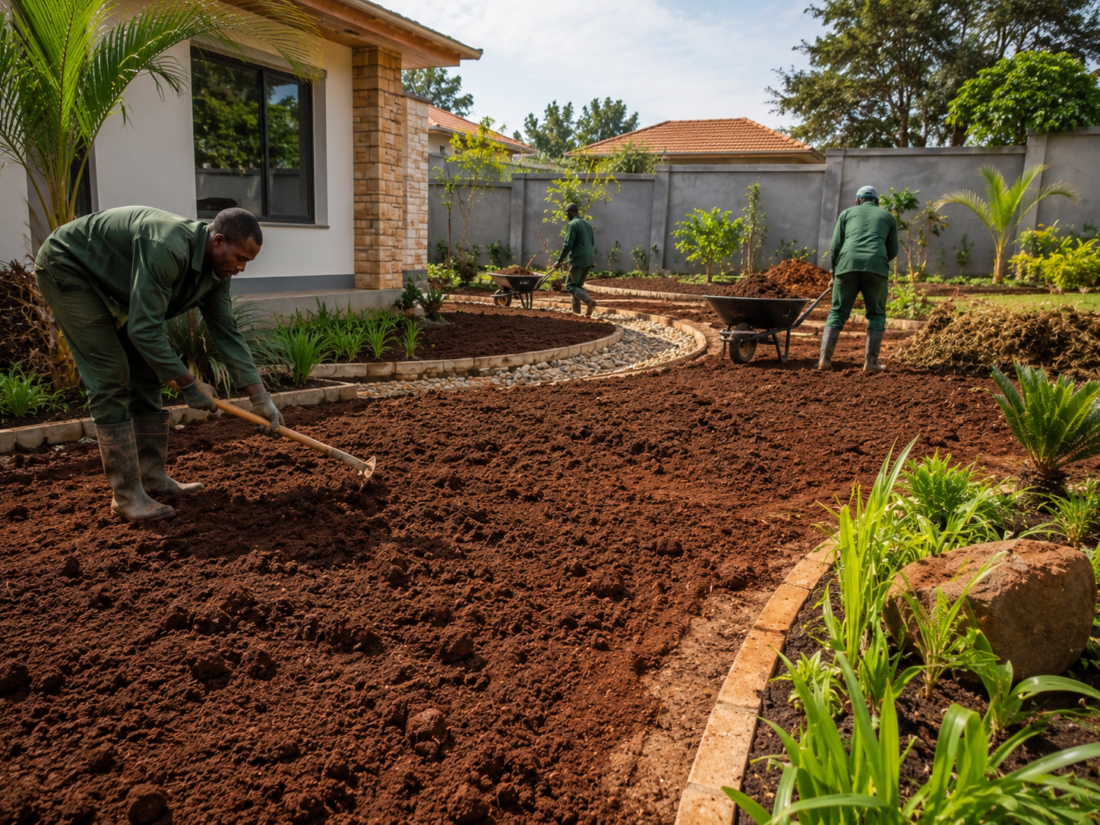
The first stage of soil preparation involves clearing the area.
Remove:
- Tree stumps
- Stones
- Construction debris
- Old roots
- Weeds
- Broken concrete
- Unwanted vegetation
Site clearing creates a clean surface for grading and prevents future landscaping problems.
Step 2: Test the Soil
Professional landscapers often test the soil before beginning..
Testing helps determine:
- Soil pH
- Nutrient levels
- Organic matter content
- Drainage capability
Most ornamental plants perform well in slightly acidic to neutral soils with a pH between 6.0 and 7.0.
Step 3: Improve Drainage
Drainage is one of the most overlooked aspects of soil preparation.
Poor drainage can lead to:
- Root rot
- Yellowing grass
- Plant diseases
- Mosquito breeding
- Waterlogging
Common drainage solutions include:
- Grading the site
- Installing French drains
- Creating gentle slopes
- Adding gravel where necessary
This is particularly important in areas that receive heavy seasonal rainfall.
Step 4: Add Quality Topsoil
One of the most important step is adding nutrient-rich topsoil.
Quality topsoil:
- Supports root growth
- Improves water retention
- Provides nutrients
- Encourages microbial activity
Avoid using subsoil or construction fill, as they often lack the nutrients plants need.
Step 5: Incorporate Organic Matter
Organic matter transforms ordinary soil into fertile growing media.
Examples include:
- Compost
- Well-rotted manure
- Leaf mould
- Organic mulch
Adding organic material during soil preparation improves:
- Soil structure
- Water retention
- Aeration
- Nutrient availability
This is especially useful for Kenya’s sandy and clay soils.
Step 6: Level and Grade the Ground
After enriching the soil, the area should be graded.
Benefits of grading:
- Prevents water pooling
- Creates a smooth lawn
- Improves irrigation efficiency
- Enhances appearance
Professional landscapers use levels and grading tools to ensure consistent slopes away from buildings.
Step 7: Allow the Soil to Settle
Many people rush to plant immediately after soil preparation.
Instead, lightly water the prepared soil and allow it to settle for several days.
This helps identify:
- Low spots
- Drainage issues
- Uneven areas
Any corrections can then be made before installing turf or plants.
Common Soil Preparation Mistakes
Avoid these common errors:
Skipping Weed Removal
Weeds compete with new plants for nutrients and water.
Ignoring Drainage
Poor drainage often results in unhealthy landscapes.
Using Poor Quality Soil
Cheap fill soil usually contains stones, debris, and very little organic matter.
Planting Immediately
Allow the soil to stabilize before planting.
Forgetting Compost
Organic matter is one of the most valuable additions during soil preparation.
Soil Preparation for Different Kenyan Climates
Nairobi and Central Kenya
The cool climate supports many ornamental plants, but regular compost improves fertility.
Rift Valley
Deep volcanic soils are generally fertile, though drainage should still be checked.
Coastal Kenya
Sandy soils require compost and mulch to retain moisture.
Semi-Arid Areas
Water conservation is critical. Mulching and organic matter help the soil retain moisture for longer.
Benefits of Professional Soil Preparation
Hiring professionals ensures that soil work is done correctly the first time.
Benefits include:
- Healthier plants
- Longer-lasting lawns
- Better drainage
- Reduced maintenance
- Improved property value
- Lower replacement costs
Professional landscapers also understand the unique soil conditions found across different parts of Kenya.
Frequently Asked Questions
How important is soil preparation before landscaping?
Very important. Proper soil preparation creates the foundation for healthy lawns, trees, shrubs, and flowers.
How long does soil preparation take?
Most residential projects take between one and three days, depending on the site’s size and condition.
Can poor soil be improved?
Yes. Compost, quality topsoil, and proper grading can significantly improve poor soil.
Is soil preparation necessary before installing artificial turf?
Yes. Even artificial turf requires proper leveling, compaction, and drainage during soil preparation.
Conclusion
Successful landscaping begins below the surface. Investing in proper soil preparation creates healthier plants, stronger lawns, and landscapes that withstand Kenya’s changing weather conditions. Whether your property has red soil, black cotton soil, or sandy coastal soil, preparing the ground correctly will save money and improve long-term results.
At TM Creations & Outdoor Designs, we provide professional soil preparation, site clearing, grading, drainage improvement, topsoil supply, lawn installation, and complete landscaping services across Kenya. Contact us today to build a beautiful outdoor space on the right foundation.