
The way furniture is arranged, positioned and secured during transportation plays an important role in determining its condition when it reaches its destination.
Furniture loading during relocation is an important part of the moving process because poorly arranged items can shift, collide or experience unnecessary pressure while a vehicle is in motion.
Understanding proper loading practices helps homeowners appreciate why careful handling and organised transportation are essential during a move.
1. Weight Distribution Matters
One of the most important considerations when loading a moving truck is weight distribution.
Furniture and household belongings come in different sizes and weights. Heavy items such as wardrobes, refrigerators, washing machines and solid wood furniture require careful positioning.
Placing too much weight on one side of a vehicle can affect its balance and stability. Heavy items should generally be positioned low and distributed appropriately across the loading area.
Proper weight distribution also helps prevent lighter belongings from being crushed under heavier objects.
2. Furniture Should Be Protected Before Loading
Furniture surfaces are vulnerable to scratches, dents and abrasion during handling and transportation.
Before loading, exposed surfaces should be protected using suitable materials such as:
- Moving blankets for sofas, tables and cabinets.
- Stretch wrap to protect upholstered furniture and keep protective covers in place.
- Bubble wrap for delicate surfaces and smaller fragile items.
- Cardboard corner protectors for vulnerable edges.
The choice of protective material depends on the furniture type, its finish and the distance involved.
For example, polished wooden furniture may require additional surface protection to prevent scratches, while upholstered furniture benefits from suitable wrapping to minimise exposure to dirt and dust.
3. Proper Arrangement Prevents Movement
A moving vehicle experiences acceleration, braking, turning and road vibrations. These movements can cause unsecured belongings to shift during transportation.
This is why furniture loading during relocation requires proper arrangement rather than simply filling every available space.
Large furniture pieces should be positioned strategically, with suitable gaps managed using protective materials. Items should also be secured using appropriate straps where necessary.
Leaving loose objects between larger pieces can increase the likelihood of impact damage, particularly when travelling on uneven roads.
4. Fragile Items Require Special Attention
Not all household belongings can withstand the same pressure or handling conditions.
Glass tables, mirrors, television screens and decorative pieces require additional care during loading.
Where possible, fragile items should be packed separately using appropriate cushioning and protective packaging.
Glass panels should be positioned and secured appropriately rather than placed beneath heavy objects. Similarly, electronic equipment should be protected against impact and unnecessary movement.
A good loading plan identifies vulnerable items before transportation begins.
5. Furniture Dismantling Can Improve Loading Safety
Some furniture pieces are too large or awkwardly shaped to be transported safely in their assembled form.
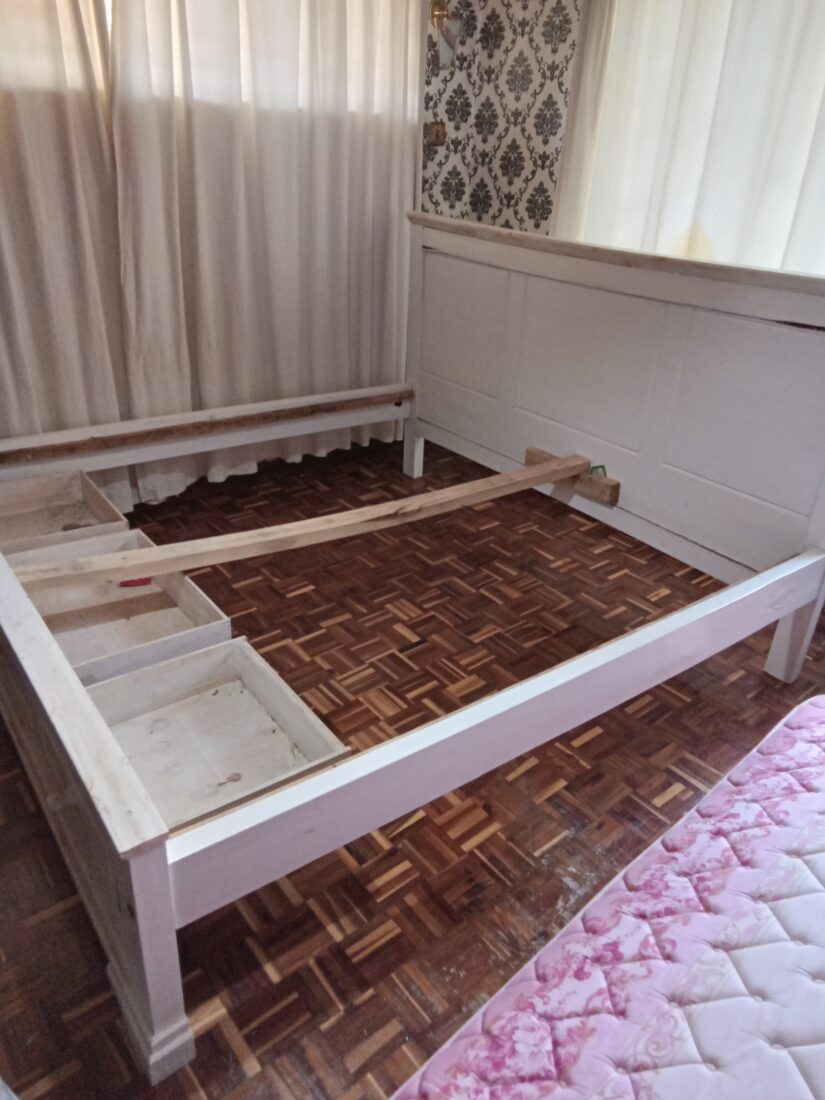
Wardrobes, beds, dining tables and certain office furniture may need partial dismantling before loading.
Removing detachable components can:
- Make furniture easier to manoeuvre through doorways.
- Reduce the risk of damage to joints and connecting points.
- Improve the use of available vehicle space.
- Make handling more manageable during loading and unloading.
All screws, fittings and detachable components should be kept together and labelled to simplify reassembly at the destination.
6. Vehicle Space Should Be Used Carefully
Efficient loading is not necessarily about fitting the largest possible number of items into a moving truck.
It involves using available space without compromising the safety of the belongings being transported.
Furniture should be arranged according to its dimensions, weight and handling requirements. Empty spaces can be managed using suitable cushioning materials to minimise movement.
Overloading should also be avoided. The vehicle’s recommended payload capacity must be respected, and the load should be secured before departure.
Proper load distribution and securing are also important road-safety considerations when transporting goods.
7. Loading and Unloading Require Equal Care
The moving process does not end once furniture has been loaded.
Unloading presents its own challenges, particularly when handling bulky furniture through narrow corridors, staircases and doorways.
These considerations are part of professional house moving services in Nairobi, where proper planning and careful handling help protect household belongings throughout relocation
Items should be removed in a planned sequence to avoid unnecessary shifting or placing pressure on other belongings.
Protective materials should remain in place until furniture has been safely moved into the intended rooms.
Careful unloading also reduces the likelihood of accidental damage to floors, walls and door frames.
Conclusion
Proper furniture loading during relocation is an important part of protecting household belongings throughout a move. Weight distribution, protective wrapping, secure positioning and careful handling all contribute to a safer transportation process.
A well-organised move begins long before the vehicle leaves the property. Attention to these details helps minimise avoidable damage and makes the entire relocation process more manageable.
Good moving practices are built on preparation, proper handling and attention to detail.