How to Transform a New Compound
When a new house is finally complete, the compound is often the next big project. Fresh walls, a beautiful roof and modern interiors can make a home feel almost finished, yet an unfinished outdoor space can leave the property looking incomplete. This is where landscaping for new homes becomes important.
A well-designed compound does more than add greenery. It connects the architecture of the house with the surrounding land, creates usable outdoor spaces, improves drainage, guides movement and gives the property a finished character.
For homeowners building in Nairobi and other parts of Kenya, the best results usually come from planning the landscape before rushing into lawn installation or planting.
Why New Homes Need a Different Landscaping Approach
Landscaping for new homes should begin with the condition of the site rather than simply choosing a list of plants.
Construction can leave behind compacted soil, rubble, uneven levels, exposed drainage routes and areas where water collects. If these issues are ignored, even an expensive landscape can develop problems later.
The first step is therefore to assess the entire compound.
Consider:
- Ground levels and slopes
- Soil condition
- Existing trees and vegetation
- Drainage requirements
- Parking and vehicle access
- Walkways and entrances
- Sunlight exposure
- Privacy requirements
- How the family intends to use the compound
A good plan should also consider whether the homeowner needs a generous lawn, children’s play area, outdoor dining space, pergola, kitchen garden, parking area, walkway or privacy planting.
These requirements should shape the design from the beginning.
Start With the Structure of the Compound
Before choosing flowers or grass, think about the hardscape.
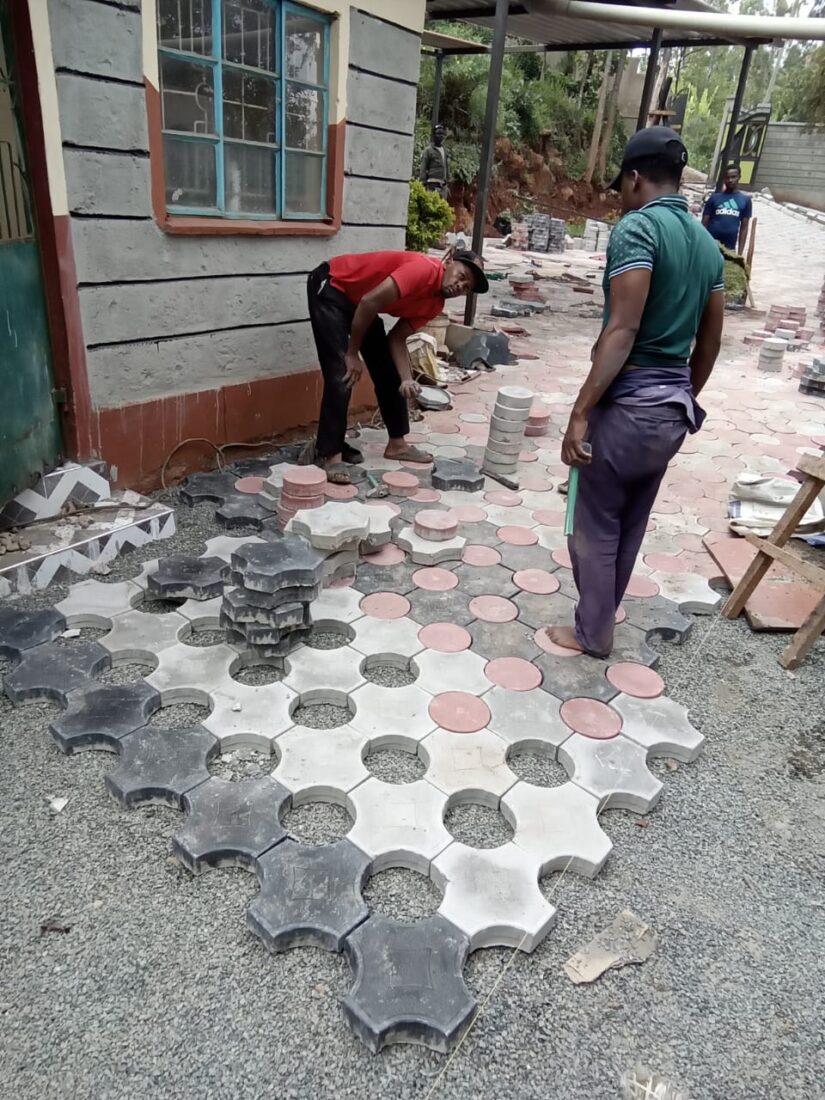
Driveways, pathways, steps, retaining walls, drainage channels, patios and outdoor structures create the framework of the landscape.
For example, a new home on a sloping site may need retaining walls and carefully planned steps before lawn areas can be established. A large driveway may require proper sub-base preparation and drainage so that rainwater does not flow toward the house.
This is one reason landscaping for new homes is best approached as a complete project rather than as a collection of unrelated jobs.
The driveway, lawn, drainage, planting and outdoor living areas should work together.
Choose a Lawn That Suits the Site
A lawn can become the visual centre of a residential compound, but the right grass depends on the conditions.
Kikuyu is commonly used for Kenyan residential lawns, while other grass varieties may be suitable depending on sunlight, traffic, maintenance expectations and the appearance the homeowner wants.
Before installing grass, the soil should be prepared properly. Construction debris should be removed, levels corrected and the growing layer improved where necessary.
For larger compounds, the lawn should also be divided visually rather than treated as one uninterrupted area. Planting beds, pathways, feature trees, stonework or changes in elevation can give the garden considerably more depth.
Create Outdoor Rooms
Modern homeowners increasingly want the compound to be more than a decorative garden. Landscaping for new homes can create outdoor rooms for relaxing, entertaining and everyday living.
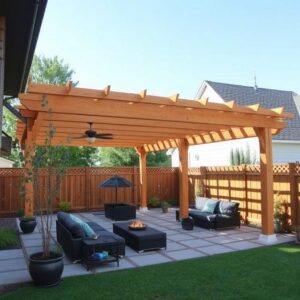
A pergola can provide a shaded sitting area. An outdoor kitchen can extend entertaining beyond the house. A paved patio can create a dining space, while a carefully positioned lawn can remain open for recreation.
The important thing is to position these spaces according to how the property will actually be used.
Consider the morning and afternoon sun, privacy from neighbouring properties, access from the house and views from major windows.
Use Plants for Privacy and Character
Planting should support the architecture instead of competing with it.
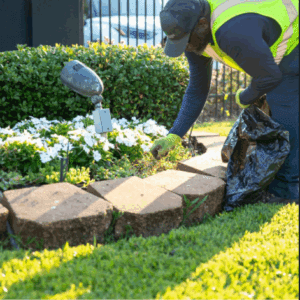
Hedges can define boundaries and provide privacy, while trees can create shade and soften large walls. Flowering plants and ornamental species can add colour around entrances, pathways and feature areas.
With landscaping for new homes, plant selection should also consider mature size.
A plant that looks small when installed may eventually become too large for a narrow passage or close to a wall. Selecting plants according to their mature form helps reduce future maintenance and unnecessary removal.
Drainage Should Be Part of the Design
Drainage is one of the most important elements of a new compound, particularly in areas that experience intense seasonal rainfall.
Water should be guided away from buildings, walkways and areas where it could damage the landscape.
Depending on the site, solutions may include surface channels, French drains, soakaways and carefully graded surfaces.
The correct solution depends on the soil, slope, available discharge points and amount of runoff.
Good landscaping for new homes therefore starts below the surface just as much as it does above it.
A beautiful lawn will not remain beautiful if water constantly pools across it.
Think About Maintenance Before Installation
A landscape should be attractive on the day it is completed, but it also needs to remain manageable months and years later.
Before selecting plants and features, consider:
- Mowing
- Pruning
- Irrigation
- Fertilisation
- Pest management
- Seasonal maintenance
- Water requirements
Homeowners who travel frequently or prefer low-maintenance outdoor spaces may want simpler planting schemes, automated irrigation and durable hardscape materials.
Those who enjoy gardening can create more detailed planting beds and kitchen gardens.
Budget the Project in Phases
A complete compound can involve several major elements, and trying to complete everything without a clear plan can make costs difficult to control.
Landscaping for new homes can be phased according to priorities.
Drainage and grading may come first, followed by retaining walls and hardscape. Lawn installation, planting and irrigation can then follow, with pergolas, outdoor kitchens, lighting and decorative features added according to the homeowner’s plans.
This approach can also prevent unnecessary damage to completed work.
For example, installing drainage after a lawn has already been established may require excavation and reinstatement that could have been avoided through proper planning.
Design Around the House You Have Built
The strongest residential landscapes usually feel like a natural extension of the architecture.
A contemporary home may work well with clean pathways, structured planting, simple lawn areas and carefully selected feature trees. A more traditional property may suit softer planting, layered garden beds and natural-looking pathways.
Landscaping for new homes should therefore be designed around the proportions, materials and character of the house rather than simply copied from another property.
For homeowners in Nairobi, areas such as Runda, Karen, Kitisuru, Gigiri, Lavington and Rosslyn can present very different site conditions. Plot size, soil, slope, existing vegetation and the surrounding environment can all influence the final design.
Think Beyond the Lawn
One of the biggest mistakes homeowners make with a newly constructed compound is thinking that landscaping simply means planting grass.
A complete landscape can combine several elements:
- Lawn and planting areas
- Cabro driveways and pathways
- Drainage systems
- Retaining walls
- Garden beds
- Hedges and privacy planting
- Irrigation
- Pergolas and gazebos
- Outdoor kitchens
- Seating areas
- Feature trees
- Garden lighting
- Kitchen gardens
When these elements are planned together, the compound feels more intentional and cohesive.
A Complete Compound Starts With a Complete Plan
The outdoor area is one of the first things visitors see, and it can also become one of the most enjoyable parts of a home when designed thoughtfully.
Landscaping for new homes is not simply about putting grass around a newly constructed house. It is about creating a practical, attractive and sustainable outdoor environment.
From drainage and grading to lawns, planting, driveways, pergolas and outdoor living areas, every element should have a purpose and fit into the larger design.
When landscaping for new homes is planned as one connected project, a newly constructed house can move from looking recently built to feeling genuinely complete.