
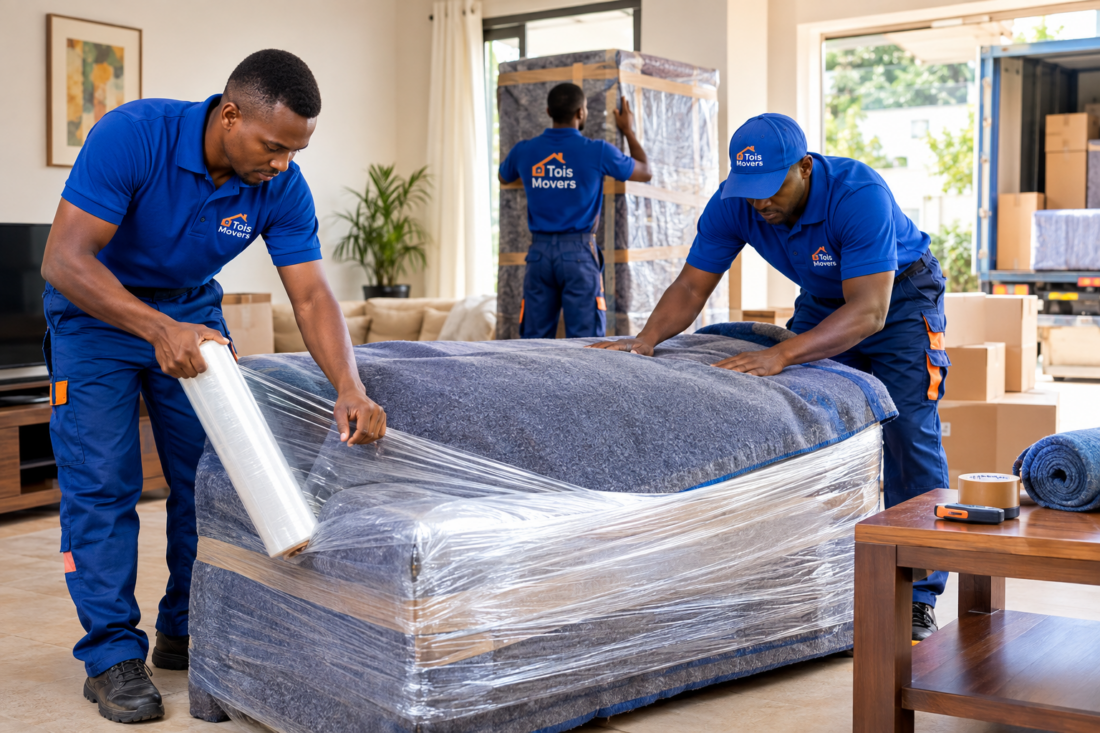
Moving furniture requires more than simply carrying items out of one house and into another. Beds, sofas, wardrobes, tables and cabinets can easily be scratched, dented or damaged if they are not handled correctly. Knowing how to prepare furniture for moving can make the process safer, faster and less stressful.
Whether you are moving across Nairobi or to another town, proper preparation also makes it easier for movers to load the truck efficiently. Here are nine practical ways to get your furniture ready before moving day.
1. Empty Every Piece of Furniture First
Before you prepare furniture for moving, remove everything stored inside it. Empty wardrobes, drawers, cabinets, shelves and desks completely.
Loose items can add unnecessary weight and may fall out during transportation. Empty furniture is also easier to carry and reduces the risk of drawers, doors or shelves being damaged.
Keep small items such as screws, handles and fittings in labelled bags so they can be found easily during reassembly.
2. Decide What Needs to Be Dismantled
Large furniture is often safer to transport when it is partially dismantled. Beds, large wardrobes, dining tables and some shelving units can be separated into smaller sections.
When you prepare furniture for moving, identify pieces that can be safely dismantled without damaging them. Keep the original screws and fittings together and label them clearly.
However, avoid forcing furniture apart if it is not designed to be dismantled. Some older or delicate pieces can be damaged during disassembly.
3. Protect Wooden and Polished Surfaces
Wooden and polished furniture can easily pick up scratches during a move. Before transportation, wipe the surfaces clean and inspect them for existing damage.
The next step is to prepare furniture for moving by covering vulnerable surfaces with suitable protective materials. Moving blankets, furniture pads and protective wrap can help reduce scratches and impacts.
Pay particular attention to table corners, cabinet edges, polished surfaces and areas that may rub against other items during transportation.
4. Wrap Glass and Delicate Components Separately
Furniture may contain glass doors, mirrors, shelves or decorative panels that require extra care.
Remove detachable glass components whenever possible and wrap them separately using appropriate protective material. Clearly identify fragile pieces so they are handled carefully.
When you prepare furniture for moving, never place heavy items directly on top of glass components. They should be positioned securely and protected from movement during transportation.
5. Secure Drawers, Doors and Moving Parts
Furniture with drawers and doors can become difficult to handle if they open while being carried. Before loading, secure doors and drawers so they remain closed.
Do not automatically use strong adhesive tape directly on polished or painted surfaces because it can leave residue or damage the finish.
A better approach when you prepare furniture for moving is to use suitable straps, protective wrap or other methods that keep moving parts secure without damaging the furniture.
6. Protect Furniture Corners
Corners are among the most vulnerable parts of furniture during a move. They can hit door frames, staircases, walls and other furniture while being carried.
Use corner protection and moving blankets around vulnerable edges, especially for dining tables, desks, cabinets and wooden furniture.
If you prepare furniture for moving carefully around these areas, you can significantly reduce the chances of chips, scratches and impact damage.
7. Measure Large Furniture and Doorways
A large wardrobe may fit comfortably in a room but still struggle to pass through a doorway, staircase or lift.
Before moving day, measure particularly large pieces and compare their dimensions with the available access points. Consider narrow corridors, staircases, gates and building entrances.
This is an important part of how to prepare furniture for moving because it helps prevent delays and avoids situations where furniture has to be forced through a tight space.
If an item cannot safely pass through an opening, professional movers can determine whether dismantling or another handling method is appropriate.
8. Plan How the Furniture Will Be Loaded
Furniture should not simply be placed randomly inside a moving truck. Heavy and sturdy items generally need to be positioned securely, while delicate items require additional protection.
When you prepare furniture for moving, think about the order in which items will be loaded and unloaded. Furniture that needs to go into the new home first should be accessible when possible.
Proper loading also helps prevent furniture from shifting during transportation. Protective blankets and secure positioning can reduce friction and impact between items.
9. Leave Difficult Furniture to Experienced Movers
Some furniture is simply too large, heavy or delicate to handle without the right equipment and experience.
If you are unsure how to prepare furniture for moving, professional movers can help with dismantling, wrapping, carrying, loading and reassembly. This can be particularly useful for large wardrobes, bulky sofas, office furniture, glass tables and other difficult items.
Experienced movers can also assess the property and identify challenges such as narrow staircases, tight entrances or long carrying distances before moving day.
Final Thoughts
Taking time to prepare furniture for moving can make a major difference to the safety of your belongings. Emptying furniture, dismantling suitable pieces, protecting surfaces, securing doors and drawers, and planning the loading process can all help reduce damage.
For large or delicate furniture, getting professional assistance can make the moving process much easier. At Tois Movers, proper handling and protection are important parts of helping clients move their furniture safely and efficiently.
A well-prepared move is not just about getting furniture from one property to another. It is about getting it there safely, securely and ready for its new home.