
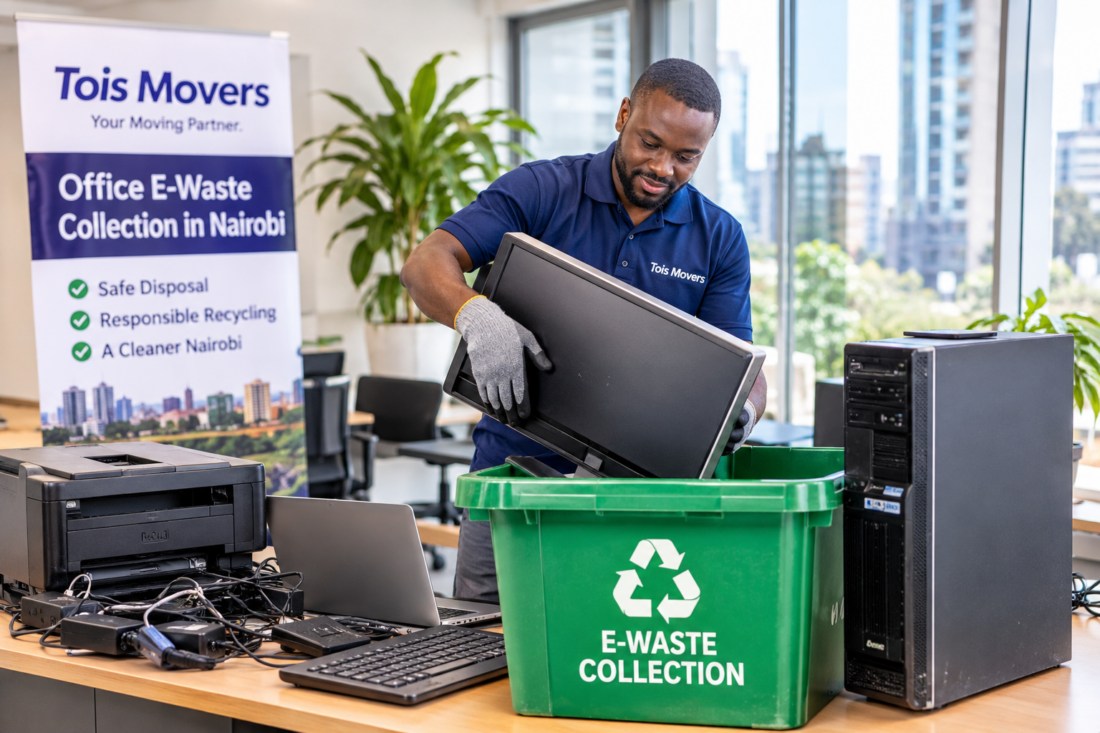
Offices depend on electronic equipment every day, from computers and printers to photocopiers, networking devices and communication systems. Over time, some of this equipment becomes outdated, damaged or unnecessary. When these items accumulate, they take up valuable office space and create challenges for businesses looking to maintain organised working environments.
Planning an office e-waste collection requires more than simply removing unwanted electronics. Businesses need to consider equipment sorting, data security, safe handling and responsible disposal.
Whether you are relocating, upgrading your IT equipment or conducting a general office clean-up, proper preparation can make electronic waste collection easier and more efficient.
1. Identify Electronic Equipment That Needs Collection
The first step in preparing for an office e-waste collection is identifying equipment that is no longer required.
Conduct a walk-through of your premises, including storage rooms, IT departments, workstations and reception areas. Identify equipment that is broken, obsolete, replaced or no longer in use.
Common examples include:
- Desktop computers and laptops.
- Computer monitors and keyboards.
- Printers, scanners and photocopiers.
- Routers, switches and networking equipment.
- UPS units and backup power equipment.
- Cables, chargers and power adapters.
- Telephones and communication devices.
Preparing an inventory helps establish the quantity and type of electronic waste requiring collection. It also makes it easier to plan transportation and handling requirements.
2. Separate Electronic Waste from General Office Junk
Not everything removed during an office clean-up should be treated as ordinary rubbish.
For an organised office e-waste collection, electronic equipment should be separated from general office waste, furniture, packaging materials and other unwanted items.
Where possible, group similar equipment together. Keep computers in one area, printers in another, and cables and smaller accessories in separate containers.
Pay particular attention to batteries, damaged electrical equipment and items containing potentially hazardous components. These should be kept separate and handled appropriately.
Proper sorting makes collection more efficient and reduces the likelihood of unsuitable disposal practices.
3. Protect Confidential Business Information
Data security is an important consideration when arranging electronic waste collection for businesses.
Computers, laptops, external hard drives, servers and some office devices may contain confidential business information, employee records, financial documents and customer details.
Before releasing equipment for an office e-waste collection, businesses should:
- Back up important information that needs to be retained.
- Remove user accounts and business access credentials.
- Arrange secure data wiping or physical destruction of storage media where appropriate.
- Confirm that sensitive information cannot be accessed by unauthorised persons.
- Maintain records of devices containing sensitive business information.
Simply deleting files or performing a quick factory reset may not provide sufficient protection for sensitive information.
Businesses should involve their IT teams or qualified data-security professionals before releasing equipment containing confidential information.
4. Prepare Equipment for Safe Handling
Once unwanted electronics have been identified and sorted, prepare them for collection.
Remove loose accessories where practical and keep smaller items such as chargers, cables and keyboards together. Larger equipment should be placed in accessible areas where it can be safely loaded.
Avoid dismantling electronic devices unnecessarily. Internal components, batteries and other electrical parts may require specialised handling.
For equipment with damaged batteries, exposed wiring or broken components, inform the collection provider beforehand.
Good preparation reduces handling difficulties and helps prevent avoidable damage during transportation.
5. Choose a Responsible E-Waste Collection Provider
Choosing the right provider is an important part of responsible electronic waste management.
When arranging an office e-waste collection, businesses should establish how collected equipment will be handled after leaving their premises.
Consider asking the collection provider about:
- Their electronic waste handling procedures.
- Transportation and sorting arrangements.
- Their recycling and disposal partners.
- How potentially hazardous components are managed.
- Whether collection or handover documentation is available.
In Kenya, the National Environment Management Authority (NEMA) provides environmental regulatory oversight, including matters relating to waste management.
Where recycling is required, electronic waste should be directed to appropriately authorised and qualified handlers. Businesses should not assume that all collected electronics will automatically be recycled.
Responsible disposal helps minimise environmental risks while supporting better resource recovery practices.
6. Plan Collection Around Your Office Operations
An office e-waste collection in Nairobi should be organised to minimise disruption to normal business activities.
For larger offices, institutions and commercial premises, it is useful to establish a collection schedule in advance.
Consider the following:
- The total quantity of electronic equipment.
- Accessibility of the collection point.
- Whether equipment is located on different floors.
- Availability of loading and parking space.
- Whether collection needs to happen outside normal working hours.
- Security procedures for accessing the premises.
Providing these details beforehand allows the collection team to plan appropriate transportation and handling arrangements.
For organisations undertaking larger office clear-outs, combining electronic waste collection with the removal of unwanted furniture and other items may also streamline the process.
7. Maintain Records of Collected Electronics
Businesses should maintain basic records of electronic equipment released for collection.
Depending on internal requirements, these may include:
- An inventory of collected equipment.
- Collection dates and quantities.
- Details of the collection provider.
- Relevant transportation or handover documentation.
- Records of downstream recycling or disposal where available.
Keeping these records supports internal accountability and helps organisations monitor their waste management practices.
It is particularly useful for businesses that periodically replace IT equipment or undertake office relocations.
Arrange Office E-Waste Collection in Nairobi
Preparing electronic waste for collection does not have to be complicated. With proper identification, sorting, data security measures and collection planning, businesses can clear unwanted electronics in a more organised and responsible manner.
At Tois Movers, we provide electronic waste collection and disposal support for businesses and organisations in Nairobi.
Whether you are clearing old computers, printers, cables, office electronics or unwanted equipment, our collection services can help you organise the removal process.
We also support office clear-outs, junk removal and furniture collection, helping businesses manage unwanted items during office reorganisations, relocations and general clean-ups.
If your organisation is planning an office e-waste collection, contact Tois Movers to discuss your collection requirements.
Tois Movers — Your Moving Partner.