
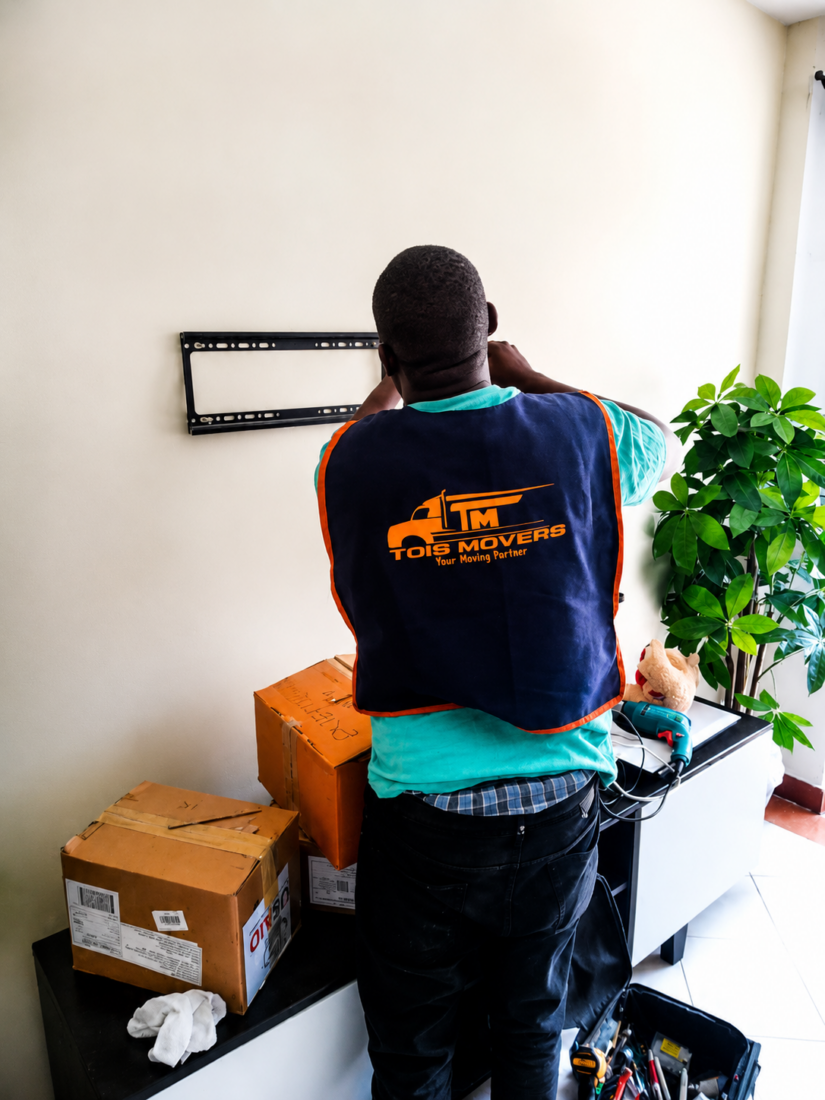
Moving to a new house in Nairobi can be exciting, but without proper preparation, moving day can quickly become stressful. From packing and organizing your belongings to arranging transport and preparing your new home, there are several things worth doing before the actual move.
Whether you are moving from an apartment in Kilimani, a family home in Karen, or relocating to another part of Nairobi, a little preparation can make a significant difference.
Here are 10 practical things to do before moving day.
1. Confirm Your Moving Date
The first step when moving to a new house in Nairobi is confirming the exact moving date and making sure everyone involved has the same information.
Consider your work schedule, access to the new property, traffic conditions, and whether the building has specific moving rules. Some apartments require residents to book a moving lift or notify management in advance.
Once the date is confirmed, create a simple timeline for everything that needs to happen before the move.
2. Declutter Before You Pack
Moving is a good opportunity to get rid of items you no longer need.
Go through your clothes, kitchenware, furniture, electronics, books, children’s items, and other household belongings. Separate everything into three groups: items to move, items to donate, and items to dispose of.
There is little value in paying to transport things you no longer use. Decluttering can also make unpacking at your new home much easier.
If you have usable furniture or household items that you no longer need, consider donating them rather than throwing them away.
3. Create a Packing Plan
Do not wait until the night before moving day to start packing.
Begin with items you rarely use, such as seasonal clothing, decorative pieces, spare kitchenware, books, and storage items. Leave everyday essentials until closer to the moving date.
When moving to a new house in Nairobi, having a packing plan also helps you identify what needs special attention. Fragile glassware, electronics, mirrors, artwork, and other delicate belongings should be packed separately and clearly labelled.
A room-by-room approach usually makes the process easier to manage.
4. Label Your Boxes
Proper labelling can save you considerable time when you arrive at your new home.
Instead of simply writing “kitchen” or “bedroom,” consider adding a brief description of the contents. For example, a box could be labelled “Kitchen – plates and cups” or “Master Bedroom – bedding.”
You can also mark boxes containing fragile items so they receive appropriate handling.
Good labelling means you will not have to open several boxes simply to find one item after moving.
5. Prepare an Essentials Box
One of the most useful preparations when moving to a new house in Nairobi is putting together an essentials box.
This should contain the things you are likely to need immediately after arriving. Depending on your household, this could include toiletries, phone chargers, medication, basic kitchen items, a change of clothes, towels, drinking water, snacks, cleaning supplies, and important documents.
Keep this box separate from the rest of your belongings and make sure it is easy to identify.
The goal is simple: you should not have to unpack the entire house just to find your toothbrush or phone charger.
6. Measure Large Furniture
Before moving large furniture, check whether it will actually fit through the doors, staircases, corridors, lifts, and other access points at your new home.
Measure large sofas, wardrobes, beds, refrigerators, and other bulky items where necessary.
This is particularly important for apartment moves. A piece of furniture that fits comfortably in your current home may encounter difficulties when being moved through a narrow staircase or doorway.
Planning access beforehand can prevent unnecessary delays on moving day.
7. Notify the Necessary People
Changing homes often involves more than moving your belongings.
Notify your landlord or property manager where necessary and check the requirements for moving out of your current property. You may also need to arrange access with the management of your new residence.
If you receive regular deliveries or services, remember to update your address where appropriate.
For people moving to a new house in Nairobi, checking these details early can prevent last-minute problems.
8. Protect Your Valuables
Important documents, jewellery, cash, small electronics, and other valuable personal belongings should be handled carefully.
Rather than placing everything in general moving boxes, keep particularly important items secure and accessible.
Documents such as identification papers, contracts, academic certificates, financial records, and property documents should remain with you whenever possible.
Moving day can be busy, so knowing exactly where your important belongings are provides additional peace of mind.
9. Clean and Prepare the New Home
If possible, clean the new house before most of your belongings arrive.
It is much easier to clean empty rooms than to work around boxes and furniture. Pay attention to floors, cupboards, bathrooms, kitchen surfaces, windows, and other areas that may be difficult to reach once everything has been moved in.
You can also identify where major furniture pieces will go before moving day.
A little planning can make the process of settling into the new home much smoother.
10. Confirm Your Moving Arrangements
Finally, confirm all moving arrangements before the big day.
Make sure the moving team knows the collection location, destination, preferred arrival time, parking or access arrangements, and any special items that require attention.
If you are moving to a new house in Nairobi during a busy period, allowing enough time for the journey is particularly important. Nairobi traffic can affect moving schedules, so planning ahead is always worthwhile.
Also confirm whether packing, furniture dismantling, reassembly, or house setup is required so that the moving process can be organized appropriately.
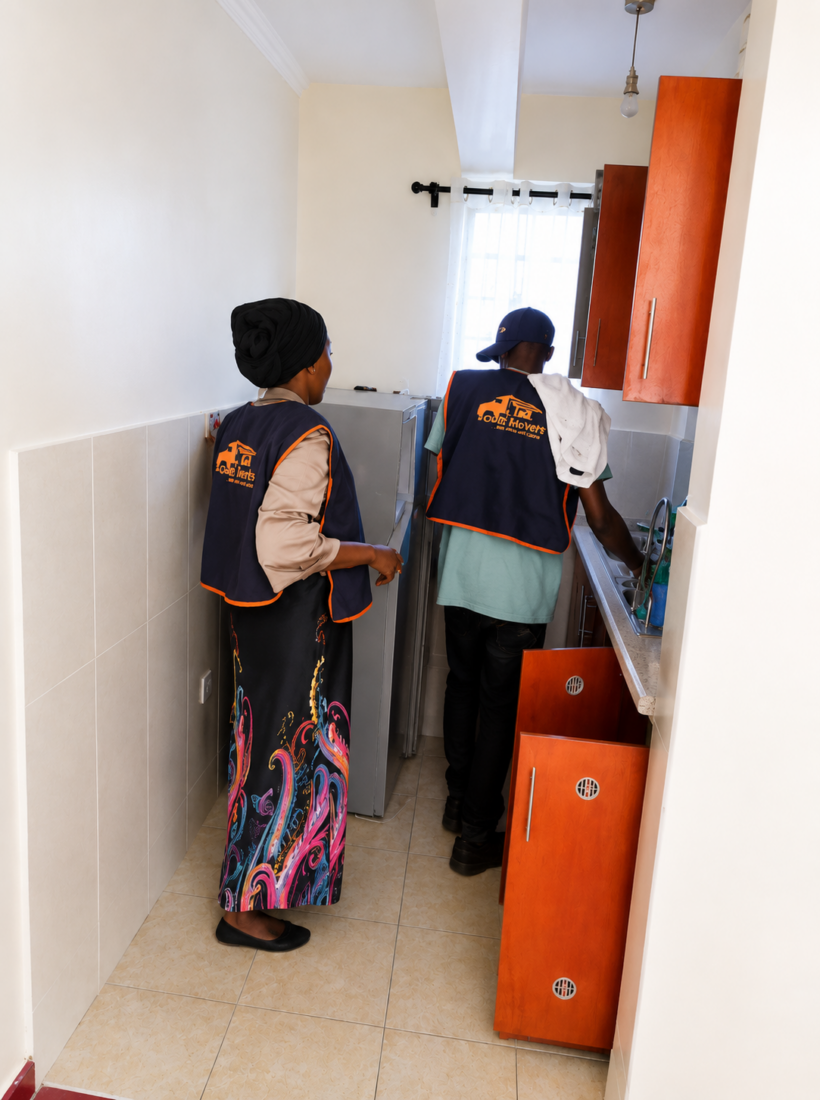
Moving Day Does Not Have to Be Chaotic
Moving to a new house in Nairobi becomes much easier when preparation starts early. Confirming your date, decluttering, packing systematically, labelling boxes, protecting valuables, and checking access points can eliminate many of the problems people encounter on moving day.
Remember that the objective is not simply to get everything from one property to another. A well-organized move should also make it easier to settle into your new home.
If you are moving to a new house in Nairobi, give yourself enough time to prepare rather than trying to complete everything at the last minute. A clear plan, organized packing, and good communication with everyone involved can turn a stressful moving day into a much more manageable experience.
Quick Moving Day Checklist
Before leaving your old home, check that you have:
- Packed and labelled all boxes
- Separated your essentials
- Secured important documents and valuables
- Checked cupboards, drawers, and storage areas
- Confirmed access to the new property
- Measured large furniture where necessary
- Confirmed the moving arrangements
- Kept cleaning supplies and basic essentials accessible
With these preparations completed, you can approach your move with greater confidence and focus on settling into your new home.